

Something shifts sometime after April 1.
It varies from year to year. But if you own a place on the water in New Hampshire’s Lakes Region, there’s a moment every spring when you drive in for the first time after a long winter and stand in the driveway looking at it, and your heart does a complicated thing.
Relief. Love. A kind of pride.
And sometimes, underneath all of that, a quieter thing. A thing you don’t quite say out loud.
Do we still want this enough, really?
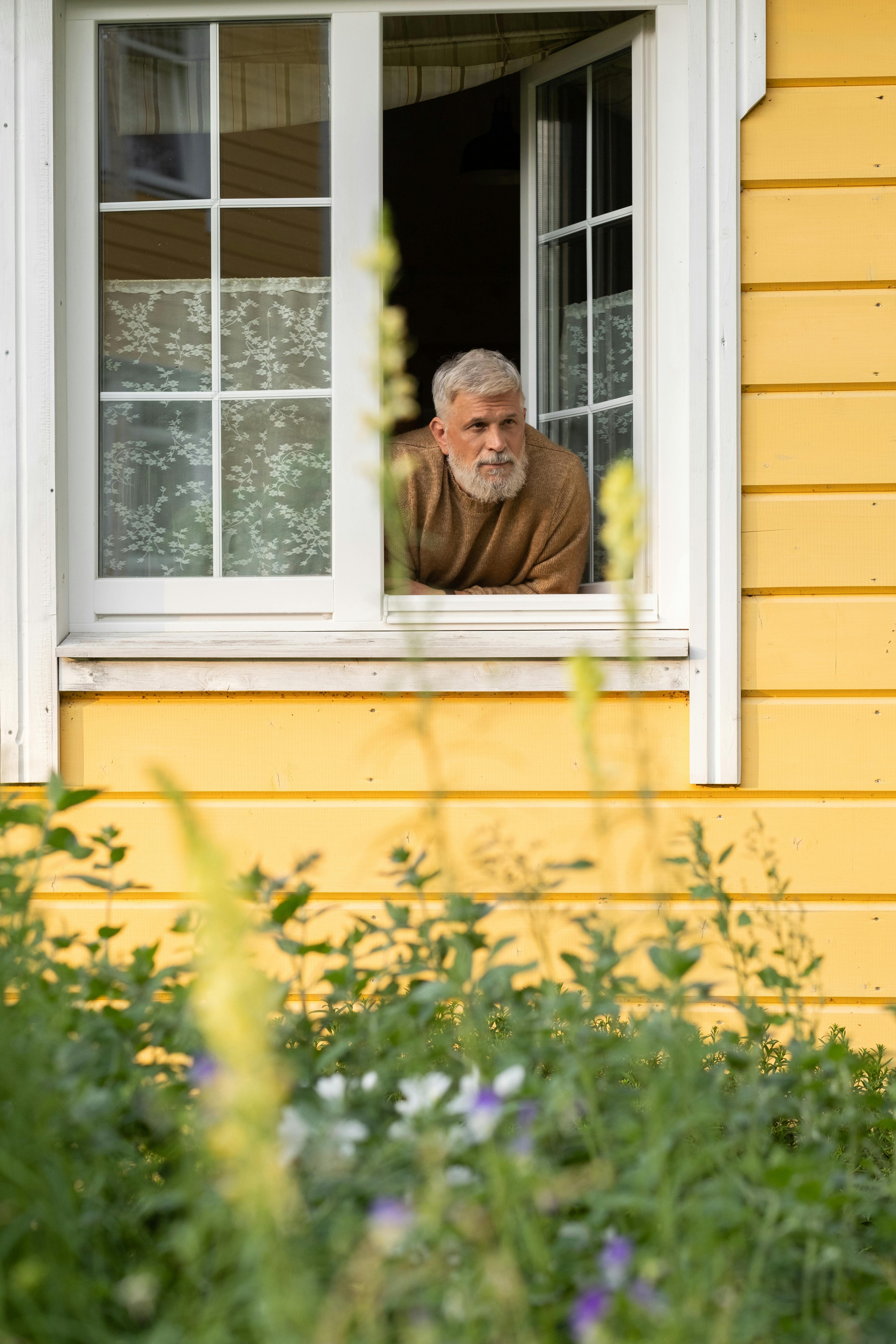
We’re not talking about selling because you have to. We’re talking about the people who are starting to wonder, in a private and unresolved way, whether the life they’ve built still has room for the second home they once fell in love with.
It’s worth looking at the math honestly.
If you own a lake house you use four to six weeks a year — and four to six weeks is generous for most people in this category — you’re paying twelve months of carrying costs to access a fraction of that time. Property taxes. Insurance. Heat through the winter or the cost of winterizing. Lawn care, dock in and out, a seasonal opening and closing ritual that costs money and coordination every single year. A property manager if you’re not local enough to respond when something breaks. A contractor you hope picks up the phone.
We’re not saying this to alarm you. We’re saying it because most people, when they sit with the actual number, are a little surprised. Not by the costs themselves — you knew about those when you bought — but by how the math feels against the backdrop of how you’re actually using the place.
There’s another piece that’s harder to quantify.
Owning a second home means building a second life. A second set of neighbors. A second hardware store relationship. A second community where you know enough people to feel not quite like a tourist. That takes years. And it takes presence.
In our experience, second home owners in the Lakes Region genuinely love it here and want to be part of things. And many of them do show up across the season — a few weekends in May when the ice is out and the quiet is still on everything, a week in June, the better part of July, a long Columbus Day weekend if they can manage it. On paper, that adds up to something real.
But spread across five months, four weeks of presence is also a lot of driving. A lot of opening and closing. A lot of showing up just long enough to remember you love it before you have to leave again. The neighbors know your car. They wave. But the conversation that turns into a friendship — the one that happens on a Tuesday afternoon in August when nobody’s going anywhere — that one requires more time than most give it.
Some second home owners are here in all the ways that count. They know the name of the guy who plows their road. They show up for mud season. They’re building something real, one long weekend at a time. If that’s you, you already know it. The lake house isn’t a question mark. It’s a commitment you’ve made and keep making.
And then there’s the generational anchor family. The one where everyone converges in July, where the grandchildren know which kayak is theirs, where the dock has held thirty summers of the same people growing older together. That’s real, and it’s irreplaceable, and if that’s your situation you already know it too. You’re not lying awake thinking about simplifying.
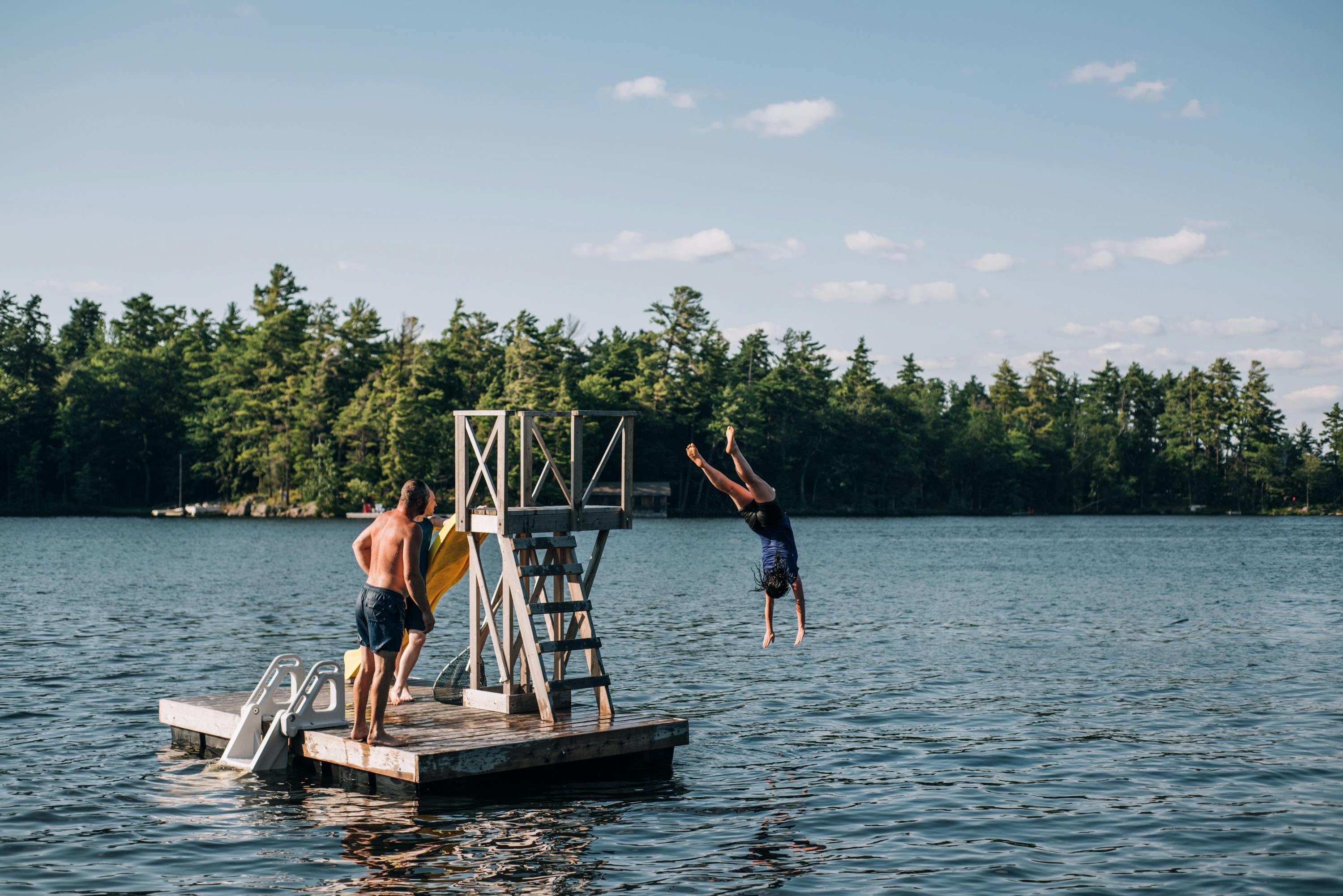
We’re talking to the other person. The one who loves July here without reservation, but is starting to wonder if they love it as much as they love October in Portugal. Or the ski chalet in Aspen they’ve been renting the last few winters, but wanting more time at. Or the cottage on Martha’s Vineyard they saw online.
You can love something and not need to own it anymore.
Here’s where the timing piece matters.
Most people who own vacation property and are considering a sale make the same decision: they’ll figure it out at the end of the season. See how the summer goes. If it still doesn’t feel right, they’ll list in the fall.
This is completely understandable. It’s also not the best way to approach it.
If you’re even having the conversation internally — not with us, not with anyone, just with yourself — spring is the time to take a few key steps that don’t commit you to any specific outcome. Here’s why.
Vacation homes sell on emotion. And emotion lives in light. In the way the sun glints on the water at 8 am and slants red and orange and purple through the pines at 8 pm. In the way the dock warms your back as you lie on it while the afternoon breeze raises goosebumps on your wet arms. In the way the mountains look from the deck on a clear September day before the tourists leave and the quiet settles back in.
Buyers who are dreaming about this life need to see it at its best. And its best is not November.
The images and video that makes someone in Connecticut look up from their laptop and think we need to call about this one — that image exists at a very specific moment. And that moment happens in summer.
Getting photographs in June or early July doesn’t commit you to anything. You can decide not to sell, and you’ve lost nothing except an afternoon. But if you do decide to sell, you’ll have the building blocks of someone else’s dream. Regardless of when you list.
We’re not asking you to decide.
The conversation we’re describing is not a listing appointment. It sounds like this: Here’s what we’re thinking about. Here’s what the property is. What should we be aware of if we’re considering this?
And then we tell you what we know. What the market looks like for properties like yours. What buyers in your price range are actually looking for. What the timing windows tend to feel like. What makes a property more or less compelling to sell, and what preparation actually changes outcomes.
You go home and think about it. Maybe you go ahead and agree that we should schedule a photo for whatever week it turns out to be when the color is exploding and the light is crystalline and the weather is perfect. Easy. You have the summer. You come back to it in September with more information than you had in April, and you make a better decision.
That’s it.
There’s no version of this that’s a mistake to explore.
If you decide to keep it, you’ve had an honest conversation about what it actually costs and what it actually gives you, and you’ve made a choice with your eyes open.
If you decide to let it go, you’ve done it with time and intention and images that honor what the property is. You’ve given the next buyer a chance to love it the way you did. And you’ve freed up something — financial, logistical, maybe emotional — for whatever comes next.
We work with a lot of people navigating exactly this. It’s almost never simple. It’s almost always worth starting earlier than feels necessary.
If you’re in that quiet conversation with yourself, consider inviting us in.
Here’s to the places that hold us, and the wisdom to hold them honestly.
🧭 Jenn & Andrea
Keys to the Lakes
