

The truth is most people don’t ask me which lake they should live on. They arrive with an answer already, often informed by a childhood memory, a New York Times article they read once, a weekend spent up here for someone’s wedding, or just the familiarity of Winnipesaukee.
Sometimes the lake they think they want is exactly where they end up. But often, after a few conversations and some gentle nudging (in the form of “but wait until you see the views on Ossipee Lake”) or from the universe (in the form of prices and square feet and acreage), they start to ask: which lake do we actually want to wake up to every day?
It’s a reasonable question. It’s also still slightly the wrong one, or at least it’s missing something. Because there are actually two questions buried in it, and most people only ask one.
The first is how you want to be here. This one deserves more honest consideration than it usually gets. Seasonal means arriving when the place is fully alive and leaving whent hat energy goes. You get the lakes at their most beautiful, the towns at their most energized, the version of New Hampshire that shows up in photographs. Year-round means all of that plus February. It means mud season and the particular quiet of a town that has gone back to itself and a lake that belongs, for about six months, almost entirely to the people who stay.
Neither is wrong. But they lead to different second questions.
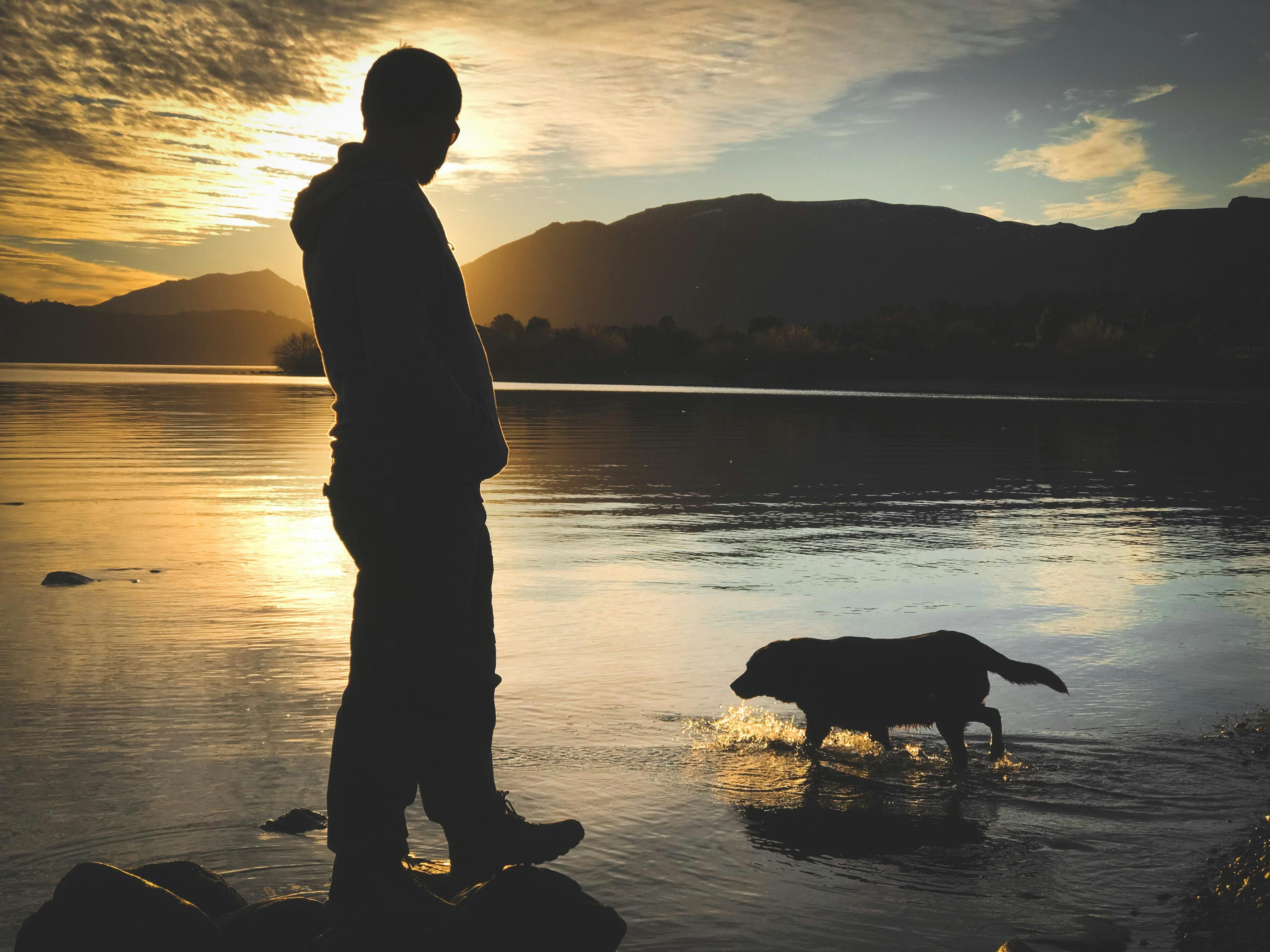
If you’re here seasonally, you’re choosing which version of the Lakes Region in full expression fits you. The parade or the quiet. The energy that builds all afternoon or the cove that nobody else found. All of these lakes are beautiful in July. The question is which kind of beautiful is yours.
If you’re here year-round, the question gets harder and more specific: which lake on a Tuesday in November? What the drive to the grocery store feels like. What your neighbor’s dock looks like with the boats pulled. Whether the quiet feels like the thing you were looking for or the thing you were trying to get away from.
That’s what actually sorts people. And the lakes sort differently than you’d think.
Lake Winnipesaukee
Here’s something people discover only after they’ve been here a while: Winnipesaukee is not one experience. It’s at least three, depending on which town you call home.
The lake from Wolfeboro is the postcard. Walkable, waterfront, boats at the dock, something happening without needing to look for it. Mornings with coffee near the water before the day fills in, and by midafternoon it’s movement and tour buses and families and energy that compounds on itself in the good way. Wolfeboro delivers on the Lakes Region promise fully, and it knows it. That’s the deal.
The lake from Alton Bay is different in a way that’s hard to explain until you feel it. Less curated. Not polished for visitors. Boats that have been at these docks longer than most visitors have been coming, and a pace that doesn’t reset itself for the weekend crowd. It’s the version of Winni that still belongs, unmistakably, to the people who live there. If that distinction matters to you, it’s the whole draw.
The lake from Laconia and Meredith is the connected version. Water and mountains and a real downtown all within reach of each other, without needing to relocate your entire day. Infrastructure. Options. The restaurant that surprises you. Andrea lives on this stretch of Winni and still occasionally gets slightly smug about it, which is probably justified.
Same 72 square miles. Three meaningfully different lives.
What Winnipesaukee asks is that you be honest about which version you actually want, not which one sounds best. The buyer who wants Alton Bay’s authenticity but buys near Meredith because the services are better will spend years feeling slightly off. The buyer who wants Wolfeboro’s energy but buys somewhere quieter because they think they should will feel it every time they’re here. It’s a big lake. It has room for all of it. The question is whether you know which part is yours.
Squam Lake
Less display. More presence.
You don’t stumble into Squam. You’re either here on purpose or you’re not here at all. Four public boat launches on the entire lake; the Squam Lakes Association has been protecting this place since 1904, and the protection is visible in everything. Undisturbed shoreline. Eagles nesting in old hemlocks. Mist sitting on the coves in early morning longer than it does anywhere else, and loons calling across water so quiet the sound carries.
The people who are unhappy here bought the privacy and then felt the absence of everything else. No marina. No restaurant on the water. Limited access even for owners; the understood framing is that you’re a steward of something, not a customer of it. If that excites you, Squam is yours. If it sounds like a constraint, listen to that.
What Squam asks is real presence. Not just ownership. You have to actually want to be in this specific quiet, on this specific water, without needing it to do much for you. The people who love it most are the ones who’ve been everywhere and have finally arrived at the conclusion that less is the thing they were looking for all along.
Newfound Lake
One of the cleanest lakes in the world. Most people have no idea.
You feel it the moment you wade in; not just visually but physically, that quality of cold clear water that makes you hold still for a second before you move. The clarity doesn’t come from the absence of activity. It comes from the water itself. There’s a stillness to Newfound that doesn’t perform for you.
That’s worth sitting with. Newfound doesn’t give you much to do with it. It doesn’t have Winnipesaukee’s energy or Squam’s drama. What it has is the water, and if the water is enough; if you’re the kind of person who can lie on a dock for two hours watching light change on the bottom and call that a full afternoon; then Newfound asks very little of you and gives back something most lakes don’t.
The people here tend to be self-sufficient in a particular way. They arrived with their own plans, and the lake is the context, not the itinerary. Newfound doesn't hand you a weekend. The people happiest here showed up with their own plans and found the lake a worthy backdrop for them. If you're expecting the place to do more of the work, this probably isn't it. If that characterization made you want to defend yourself, you’re probably a Newfound person.
Lake Winnisquam
Close enough to everything to stay connected. Quiet enough to feel like you’ve stepped out of the main current.
Winnisquam sits just south of Winnipesaukee, connected to it by the river, and it offers something the big lake doesn’t: the feeling of being on a substantial body of water without the full force of summer pressing in from every direction. Lighter boat traffic. Quieter mornings. The Belknap Range catching the first light in still water, and nobody else awake yet to see it.
There’s one thing Winnisquam asks that people don’t always anticipate. You will have to explain it. People will ask why you’re not on Winnipesaukee, and you’ll need an answer that isn’t defensive and doesn’t lean on price. The people happiest here made the choice deliberately and can say exactly why they wanted this over that. If you’re still trying to talk yourself into it, it probably isn’t the right lake. If you already know and you’re just confirming it, it probably is.
Ossipee Lake
Most people drive past it. Route 16 doesn’t do it any favors; the lake and the mountains behind it are both invisible from the highway until you turn off and go looking. Then it shifts. Open water in the shadow of the Ossipee Range, clear and spring-fed, wide views that make you understand why people stop searching once they’ve found it.
Ossipee asks an honest reckoning with remoteness. You’re not near a lot of things, and on the days when you need a good restaurant at seven or a hardware store open on Sunday, you’ll feel that. The trade is real: space and beauty and the satisfaction of having found something most people drove past, in exchange for proximity to things you used to take for granted. For the right person, that’s not a trade at all. It’s the whole point.
Jenn is still slightly annoyed every time she’s out here that more people don’t ask about it. It’s just that beautiful.
Lovell Lake
Jenn lives near Lovell. When Andrea needs to get away from the Winni energy, she drives up to meet her at the Wakefield Inn for cocktails. That sentence tells you most of what you need to know.
Lovell is smaller, only miles from the New Hampshire-Maine border. A stone footbridge reaches a small island, which means if you make friends with the owners of the single home on that island, you can walk over with a bottle of wine depending on the season. Kids fish from the shore. Nobody is performing for anyone. The town center in Sanbornville is walkable; Portland is forty-five minutes if you need the city to feel real for a day.
What Lovell asks is that you not need to be impressive about where you live. It doesn’t have the name recognition. People won’t know it. If that bothers you even slightly, you’re not a Lovell person. If you read that sentence and felt something like relief, you probably are. Most of your neighbors grew up there and, if they work locally, are in the trades. Which means you’ll have your pick of carpenters and plumbers, and because they’re your neighbors, they’ll actually show up.
Great East Lake
You don’t get here by accident. You might get briefly lost on the way. Worth it.
Great East straddles the New Hampshire-Maine line, and what you find when you arrive is a lake that makes you genuinely wonder why it isn’t more known. Clear to the bottom. Open and unhurried. Old summer camps and year-round homes giving the shoreline the kind of character that newer, more uniform developments don’t have. The sunsets here, the last light breaking through the pines and spreading across the water, are the kind people drive over from other lakes to watch.
Great East fits the person who wants the camp-feeling back. Not nostalgia, exactly. More like proof that a particular kind of summer is still available if you go looking for it. Screen doors and dock afternoons and children who don’t ask for anything other than more time in the water and a popsicle. What it asks is commitment to the drive. Great East isn’t on the way to anything. Every visit is a deliberate choice, and the people who love it tend to be people who don’t mind that.
One more thing worth saying.
The choice feels higher-stakes than it is.
Part of what makes the Lakes Region unusual is that you’re not choosing one body of water and closing the door on everything else. You’re choosing a home base, and from almost anywhere here, the whole ecosystem is within reach. Squam people are on Meredith’s waterfront for dinner in twenty minutes. Ossipee people make the drive to Wolfeboro when they want the postcard for an afternoon or a multi-course dinner. Lovell puts you closer to Great East than you’d think and forty-five minutes from Portland when you want it.
The fear most people carry into this search is: what if I choose wrong? In our experience, people who’ve done the real work of asking themselves what they actually want; not what looks good, not what their friends have, but what they genuinely need from a place, rarely end up wrong. The mistake almost always happens when someone skips that question and buys the most obvious (and expensive) answer.
The lakes have personalities. So do you. The question is whether you know yours well enough to the lakes speak to you.
If you’re still working that out, its a good conversation to have.
Here’s to finding your lake.
🧭 Jenn
Keys to the Lakes