

There’s a particular kind of quiet that settles over the Lakes Region after a winter storm knocks out the power. No hum of refrigerators, no background buzz of electronics—just the creak of ice-laden branches and the distant rumble of generators firing up down winding country roads. It can feel like you’re all alone in the world.
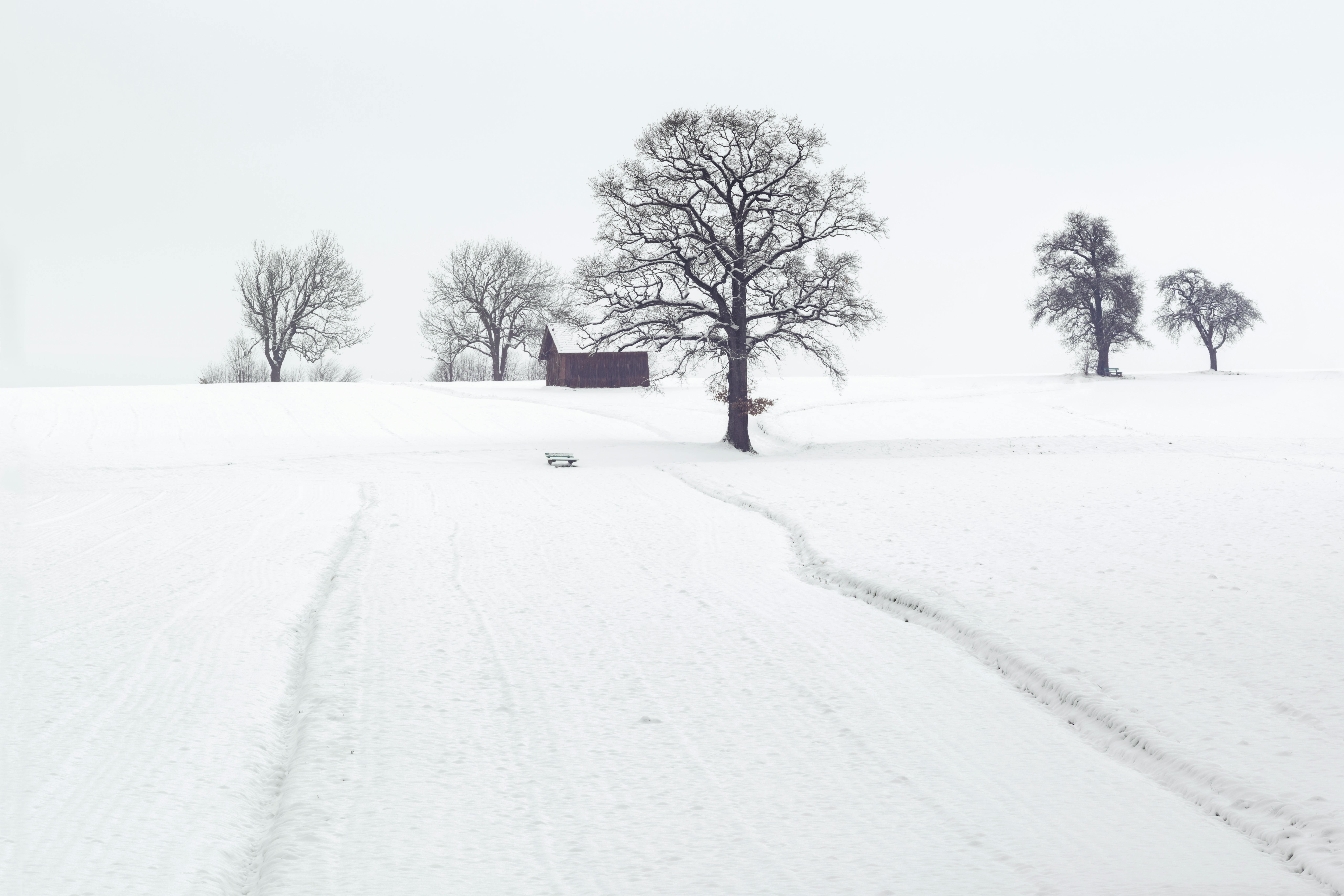
But if you listen closer, you’ll hear something else: the sound of chainsaws, the crunch of boots on frozen driveways, voices calling out to check on neighbors. Because around here, when the lights go out, something else switches on—something you can’t get from the grid.
The Week Everything Changed
Jenn learned this lesson right away—or rather, the best way—exactly two years ago this April. You know, the time of year that is spring most places, even in Boston just over an hour away.
Jenn and the family had just moved to the area 3 days earlier, our boxes weren’t even unpacked, when a winter storm rolled through with the kind of confidence that tells you it plans to stay a while. The power went out on day two. It didn’t come back for a week.
She stood in the dark house that first evening, equal parts anxious and clueless. She didn’t know why they’d lost water when the pipes weren’t frozen. (Wells run on electric pumps—rural life lesson #1, learned quickly.) She didn’t know how to operate the generator that had come with the property. She didn’t know much of anything, really, except that She was profoundly unprepared.
That’s when the neighbors started showing up.
First came the knock to make sure we had a heat source. Then someone appeared to demonstrate the generator, patient and unhurried despite the cold. Another stopped by with advice on keeping pipes from freezing and where to get water if we needed it. By the third day, Jenn had received more practical rural-living tutorials than I could have gotten from a month of YouTube videos—all delivered with thermoses of coffee, stories about the house and other winters, and the kind of matter-of-fact kindness that assumes, of course, this is what people do.
The family made it through that week not despite being newcomers, but because being newcomers didn’t matter. What mattered was that we were here, and we needed help, and help is what you give.
No Hesitation, No Charge
Andrea has had similar experiences across the decades she’s lived here. A few years ago, during a brutal ice storm—the kind that coats every branch until the weight becomes too much—power went out all over town, and trees and limbs came down everywhere. She woke up to find a large tree across her driveway, completely blocking her car in. It was far too big for her to handle on her own.
Around that same time, a local tree service posted that they were helping residents with storm damage. They came by, cut the tree up, and cleared it out—no charge, no hesitation.
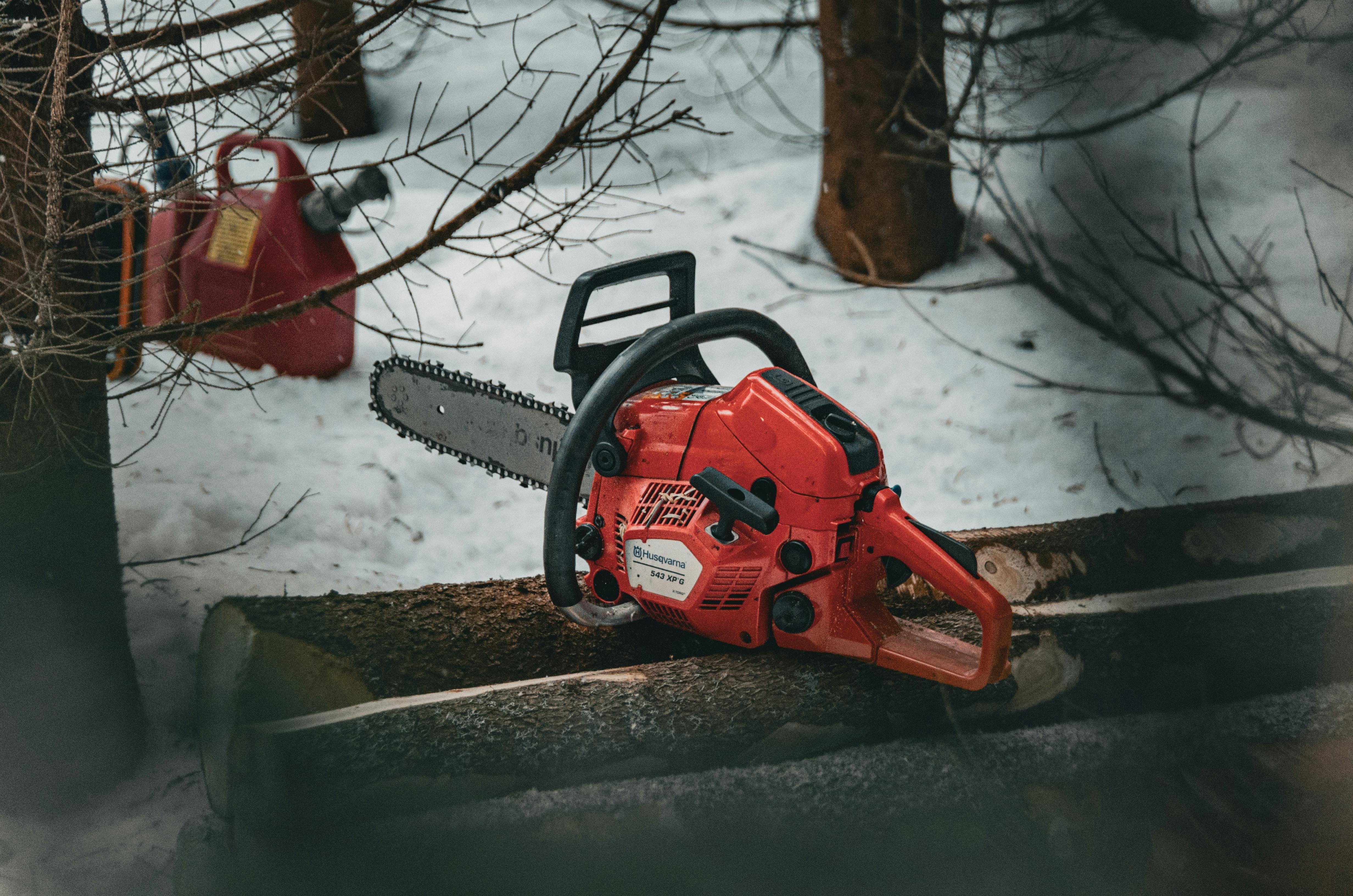
Moments like that weren’t unusual. Throughout the storm, you could see neighbors helping neighbors: chainsaws buzzing, trucks pulled over along back roads, people pitching in to clear driveways and open up roads. No one waited to be asked. It was just understood—this is what you do when someone needs a hand.
That phrase captures something essential about life here. There’s an unspoken understanding that runs deeper than any formal emergency response plan: when things get hard, we show up for each other. Not because we expect recognition or reciprocation, but because this is simply how it’s done.
The Geography of Kindness
Maybe it’s because we’re spread out enough that we understand how vulnerable isolation can make you. Maybe it’s because winter here demands a certain humility from everyone—weather is the great equalizer, after all, indifferent to whether you’ve lived here three generations or three weeks.
Or maybe it’s just that when your nearest grocery store is a twenty-minute drive and your local first responders are amazing, but stretched too thin, you learn that your neighbors aren’t just the people who live nearby—they’re your infrastructure. They’re your backup plan and your safety net. They’re the ones who know which roads flood first, which tree limbs always come down in ice, and how to jury-rig a solution when the parts won’t arrive until the roads clear.
This kind of knowledge isn’t found in guidebooks. It’s passed along in moments of need, one driveway and generator lesson at a time.
What Winter Teaches
Two years in, or two decades in, we all understand now what Jenn, who had never lived in a city smaller than 3 million, couldn’t have grasped during that first dark week: the storms aren’t just something to endure. They’re when this community shows its truest self.
They’re when the tree service loads up before dawn to help strangers. When the neighbor with the plow clears your driveway on his third pass through town. When businesses post the owners number in case you get in a tight spot and need help. When the library and town hall stay open as warming centers for folks who need them. When someone you’ve barely met stops by to make sure you know about that warming shelter, or have enough firewood, or remembered to drip your faucets.
The power always comes back eventually. But what stays with you—what defines living here—is the memory of all those small acts of looking out for one another. The chainsaws and the coffee. The patient explanations and the no-questions-asked help. The quiet understanding that we’re all in this together, whether we’ve been here two years or two generations.
Because that’s the thing about community: it’s not just about sharing a place. It’s about showing up when that place gets hard to live in, and making sure no one has to weather the storm alone.
Here’s to the places that hold us in warmth.
⛄Keys to the Lakes — Jenn & Andrea
What’s your favorite memory of neighbors helping neighbors during a winter storm? We’d love to hear your stories in the comments.