

What happens if nothing changes? It’s the question I ask almost every buyer I work with before we ever talk about square footage or lake frontage or town tax rates. Not as a diagnostic exercise. Not to make anyone uncomfortable. Just because it’s the most clarifying question I know, and because the answers people give tend to cut through everything else.
What happens if nothing changes?
Not what do you want. Not what are you looking for. What happens to your life if it stays exactly as it is?
Some people answer quickly. Some get quiet in a way that tells me more than the quick answers do.
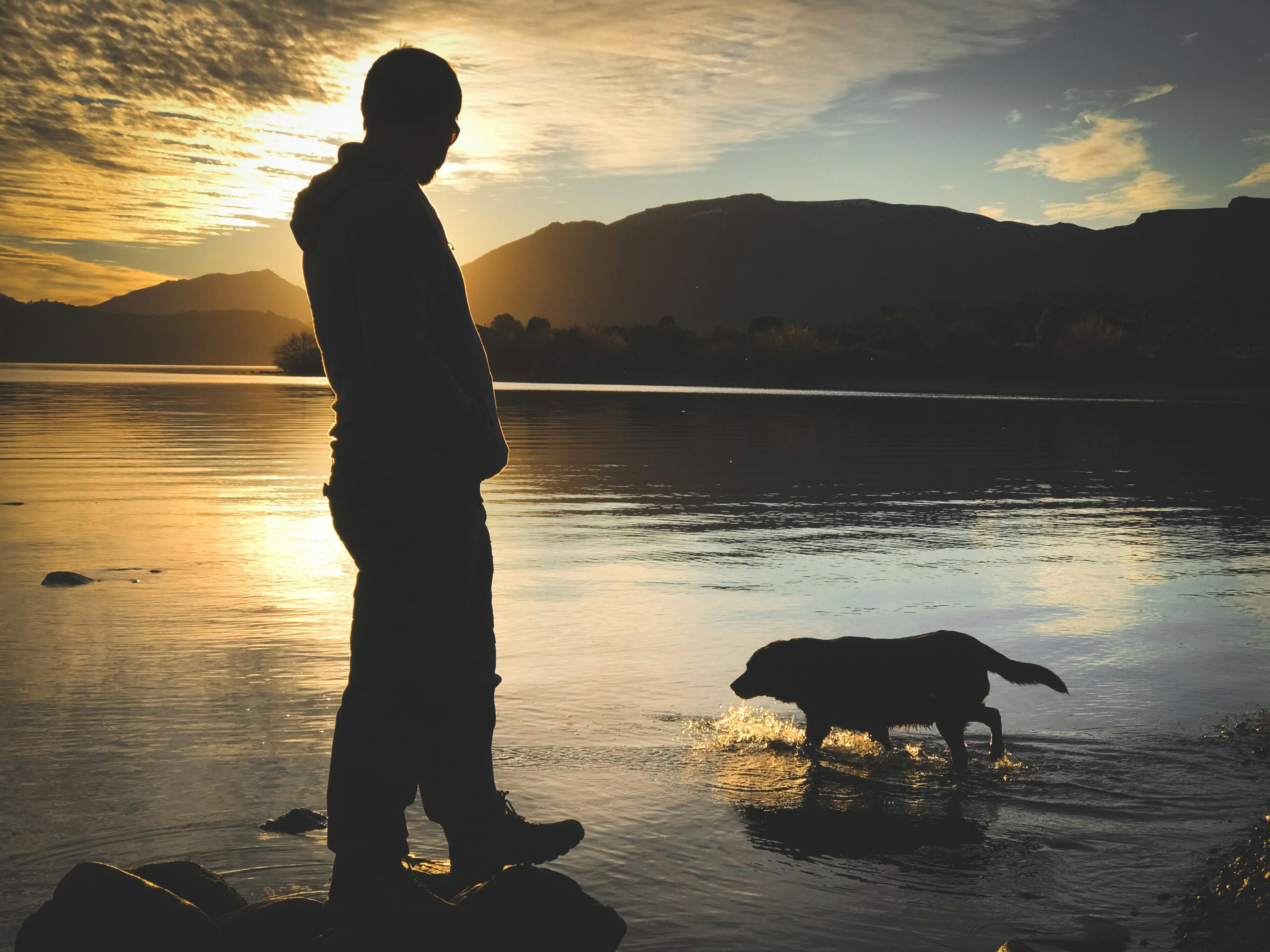
I ask it because I know what my own answer was, even if I didn’t have the words for it at the time and if no one posed that exact question.
Before I moved up here, my life was perfectly fine. Metro Boston. A cubicle. Two hours a day on the T or crawling up and back a congested highway, depending on whether the universe felt like being fair that morning. My kids were fine. They went to good schools. After school they popped into CVS for Monsters and chips and mostly hung out on their phones with friends. Weekends happened. Seasons changed. Weather was a novelty. Nothing was terrible.
Fine is its own kind of stuck.
If someone had asked me then what would happen if nothing changed, I think I might have gotten small and quiet and known, somewhere underneath the perfectly fine surface of things, that my life would be less vibrant. Less full of surprise and beauty and whimsy. Less like mine.
I didn’t know that’s what I was missing. I just knew, when I got quiet enough to feel it, that the answer to the question wasn’t comfortable.
My commute now takes me over and around green hills next to lakes that each have their own personality, that shift with the wind and the sky and the hour of the day in ways I’m don’t think I’ll ever be done noticing. Last week my eldest asked me to pull over so he could get out and photograph the view with his phone. The same kid who used to look at his phone to avoid views.
On the odd evening we’re all home, we have neighbors over to sit around the fire in the backyard and watch the chickens decide when it’s time to roost. Dogs the size of small ponies guard the flock and leave drifts of fur on the stairs of the rambling farmhouse we’re gradually, imperfectly restoring. It’s a lot. It’s also exactly what I wanted, even though I couldn’t have named it before I had it.
I’m going into year three.
Year one was about learning what I didn’t know I didn’t know. That wells need electricity to give you water, which you discover at the least convenient possible moment. That access roads mean do not drive on these roads, not that they’re a scenic shortcut worth trying. That you can’t get a decent drink on a Tuesday night, but your neighbor might brew his own beer in his garage. (Shout out to Frost Heave Brewery in Brookfield.)
Year one is humbling in the best way. You arrive thinking you’ve done your research and the place politely corrects you.
Year two was something else entirely. Year two was falling in love. Not with the landscape, though that too. With the people. With the particular texture of friendships that form when your neighbors are also your infrastructure. People who will go let your dogs out in the middle of a workday without being asked. Who show you how to fire the generator the first time the power goes out and you’re standing there in the dark feeling like an idiot. Who come over for driveway beers on a Thursday and tell stories about their kids and the ghosts in the old houses and how you know when you’re ready to add goats to a homestead. (Short answer: you’re never ready, just go for it) These are not acquaintances. These are people who know the shape of your life.
I didn’t have that in the same way before. Not because Boston doesn’t have good people in it. Because in a certain kind of life, you can go a long time without needing anyone.
Year three is still unfolding.
But I caught something the other day that felt like a marker. I was talking to someone about getting fuel on Winnipesaukee and I said Shep’s. It’s been Goodhue for a beat now. The person I was talking to knew exactly what I meant. We didn’t have to stop and explain anything.
There are still things that I need explained, but now I know where my cell phone will drop calls; what roads don’t get plowed so well and should be avoided the morning of a snow storm; who to call for tree work, or a plumbing emergency, or for a gut check on a repair quote; which of my neighbors have their own eggs in excess and which would appreciate a dozen left on the stoop every so often.
When buyers come to me, they usually arrive with criteria and lists like we’re on an HGTV show where we’ll have to choose one of three properties that all magically fit the list and are under budget. Waterfront or water access. Three bedrooms minimum. Proximity to a good school or a route to a decent airport or the mountain they’ve been skiing for twenty years. The lists are useful. They’re also almost never the real thing.
The real thing is usually somewhere in the answer to the question I ask first.
What happens if your life stays exactly as it is?
I’m not asking anyone to blow it up. I’m not suggesting that fine isn’t sometimes genuinely fine. Some people answer the question and feel settled and like if it doesn’t work out right now, it wasn’t meant to be. That’s useful information too.
But the people who come up here and stay, the ones who make it through year one’s corrections and year two’s deepening and into whatever year three quietly hands them, they usually knew something when they got quiet. They felt it before they could say it. The question just gave it a shape.
I can’t tell you what your answer is. I can tell you that the question is worth sitting with, and that I’ve never regretted asking it of myself or of others.
Here’s to knowing what you’re actually looking for.
🧭 Jenn
Keys to the Lakes
P.S. I built a quiz if you’re wondering how this version of life would fit you. Try it out!
