

There’s a moment that happens to a lot of people somewhere in the middle of their search for what’s next, whether it’s a move or a new job or a lifestyle change. They’ve done the reading. They’ve spent weekends visiting or trying on some new place or activity or way of being. They’ve sat with the spreadsheet and the comparables and the pros and cons lists. They’ve had the conversation with their partner three times, walked through their criteria list, and crossed things off it for sensible, defensible reasons.
And still. One of those places keeps coming back up for you.
Not because it won the analysis. In fact, it may have lost the analysis on several counts. Too remote. Too quiet. Not the one with the amenities, or the easy highway access, or the waterfront they’d imagined. But something about it won’t let them go, and they can’t quite say what. They’ve started to feel a little embarrassed about this. Like they should be able to explain it if it’s real.
Here’s what I’ve come to believe after watching people find their next place, or not: the embarrassment is something to push through. The pull is the data.
Not the only data. Not a reason to ignore everything else. But it’s real, and it’s telling you something. Learning to read it, and being confident enough to listen to it, is better than any skill in a search.
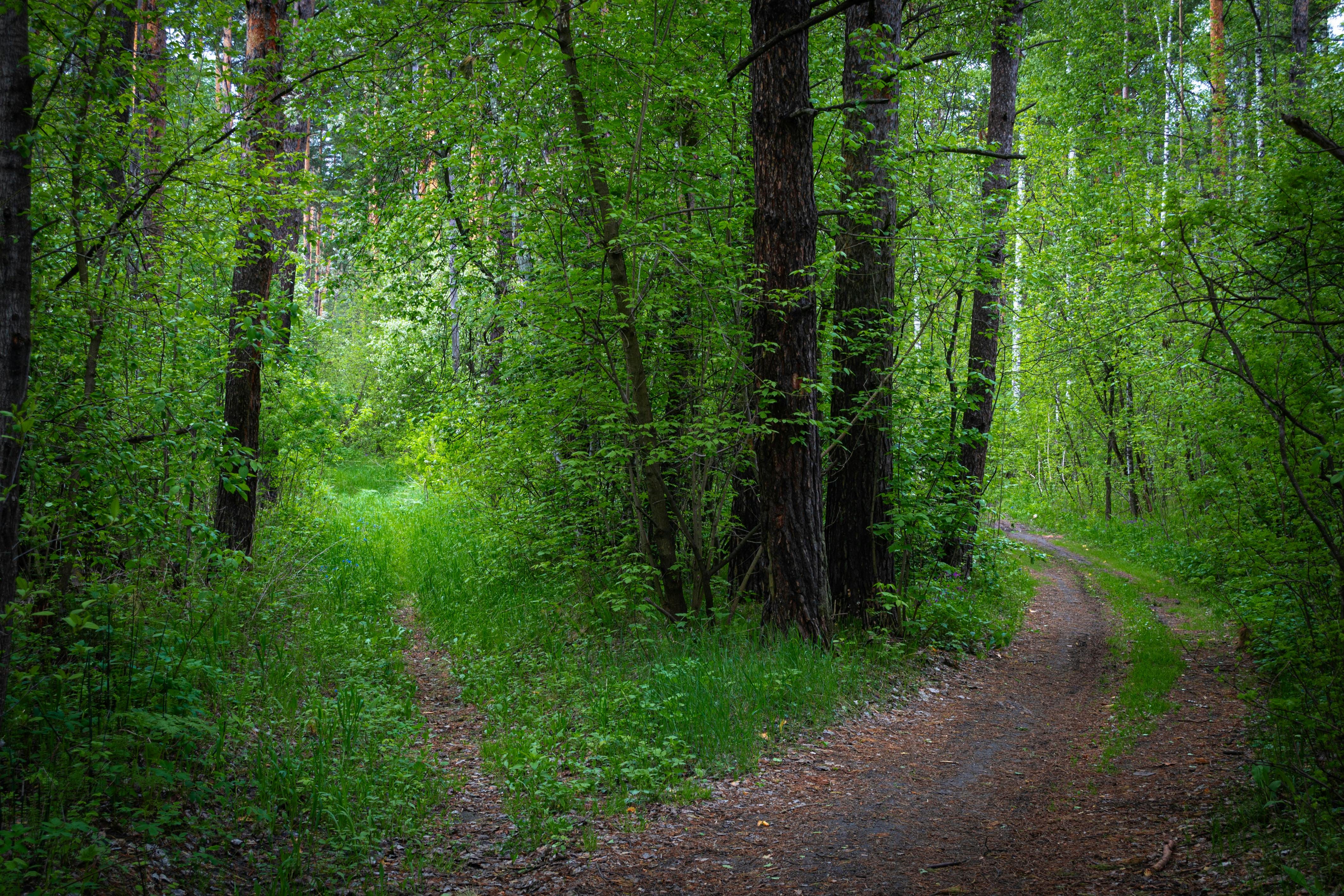
The pull usually has a specific texture. It’s not enthusiasm, exactly — enthusiasm is almost a given, especially when something is new and you’re in the hopefulness of early research. This is different. It’s the thing that happens when you’re doing something entirely unrelated and a particular image surfaces. The cove at a certain hour. The way the tree line sits against the ridge. The quiet, or the energy, or the color of the water in late afternoon. Whatever it is, it keeps arriving without invitation.
I think what’s happening in those moments is the body processing something the mind hasn’t finished with yet. You visited. You stood on a dock or looked out from a dirt road or hiked down the path at the wrong time of day to see it at its best. And something registered. Not a conclusion — you didn’t come away certain of anything. Just a registration. A flag placed somewhere in you that says: here, this.
The mind goes home and does its work. The body keeps the flag.
What makes this complicated is that the pull doesn’t always align with your stated preferences. Sometimes it lands on a lake you’d told yourself was too small, or the house is too off the beaten path, or the town is not the one with the name your friends would recognize. The pull doesn’t care about any of that. It recognized something else, and now you’re having to catch up to it.
I’ve watched people resist this, sometimes for a long time. Long enough to wonder whether they’re trying to convince themselves they want the “right” place or they actually want a particular one. The two things look similar from the outside. From the inside, they feel completely different. One has a restlessness to it — a quality of still searching even when you’ve technically decided. The other settles. Not all at once, not without work, and sometimes a little grief at losing the vision you thought was the dream. But it settles.
The place that keeps coming back is usually the one the body settled on before the mind was ready to let it.
Here’s the thing that makes the pull worth trusting: the lakes and the woods and even the towns are honest. More honest, in my experience, than a lot of the other things people use to make this decision.
A spreadsheet of criteria is built from what you currently know about yourself. Which is a useful starting point, but it’s incomplete. Most people, when they sit down to make a list, write the version of themselves they already understand — the preferences they can name, the lifestyle they already have. They don’t know yet what a new place, a new way of being, will ask of them. What they’ll discover they love about mud season, or about the particular quiet of a November morning beside the water, or about not being able to get to an exceptional restaurant without thirty minutes of driving on a Tuesday.
The pull seems to know something the list doesn’t. It’s operating on information that predates the criteria, or runs underneath it. Pattern recognition from the visit. From the smell of the air and the scale of the closest water and the temperature of the morning and whatever the light was doing. It absorbed the whole thing and it’s been holding it for you while you worked through everything else.
I’m not saying ignore the practical considerations. I’m saying: when the practical considerations keep coming out roughly even, and one place keeps showing up uninvited in your mind, that’s not noise. That’s signal.
The other thing I notice is that people often know sooner than they think. They arrived with Wolfeboro on the list and found themselves lingering on Alton. They were comparing lake houses and farm houses and realized they hadn’t thought about one of them since the drive home. They texted their Mom a photo from one place, didn’t bother with the other.
The body keeps score without being asked. Which means by the time someone tells me they can’t explain why one place won’t let them go, they often already know that’s the place for them. They just haven’t decided yet whether to trust what they know.
What I find myself saying, in those conversations: you don’t have to explain it. Explanation is for afterward, when you’re telling the story to someone who wasn’t there. The pull itself doesn’t require justification. It requires attention.
I don’t live on the water. I’m in the woods smack dab in between Lake Wentworth and Lovell Lake. I did not arrive here through flawless decision-making (it means I’m farther from my closest family member than I was before I moved…which was the whole reason I started my search.) I did not score it on a rubric and conclude that it was optimal (the house is too big, and old enough that I will likely never finish renovating and repairing.) At some point it just started being the place that was in my mind when I wasn’t thinking about anything in particular — when I was driving somewhere else, or making coffee, or half-asleep. The image that kept arriving. I eventually got curious enough about that to pay attention to what it might be telling me.
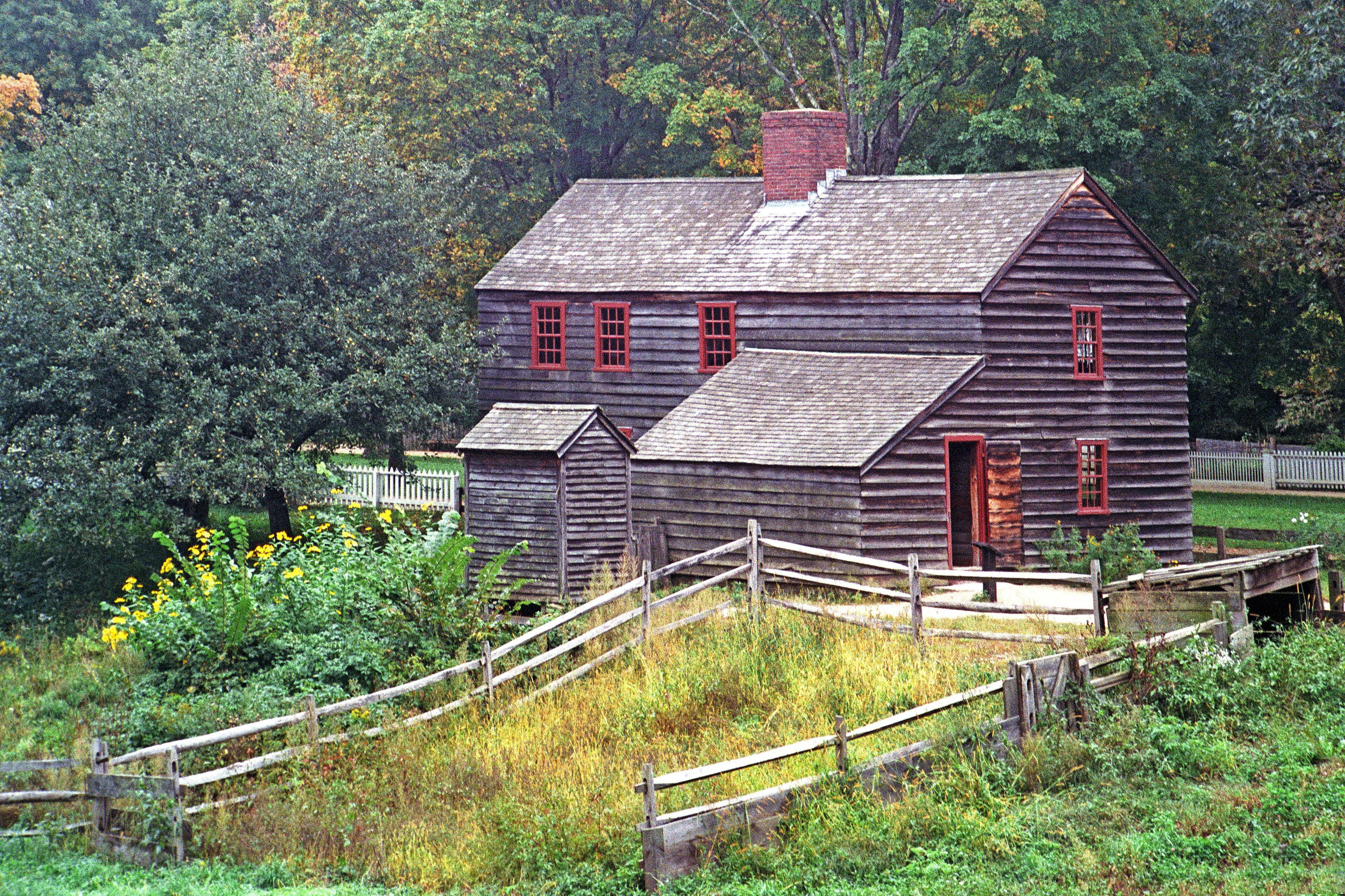
It turned out it was telling me something accurate. Not everything — there were things I had to learn about what it actually costs to live in a 257 year old house, what it gives you in exchange, what you sacrifice. All of that had to be worked through. But the initial pull was pointing at something real.
That’s what I think the pull is doing when it does this to you. Not making the decision for you. Just pointing. Saying: this one. Look at this one more carefully.
The place already knows something. You might as well hear what it has to say.
If you’re in this particular kind of search — the one where the research is done but something keeps pulling back toward one place — I’m always happy to talk through what that might mean. Not to tell you whether to trust it, but to help you understand what you’d actually be saying yes to.
Here’s to knowing before you know you know.
🧭 Jenn
Keys to the Lakes
