I had dinner last night with a new acquaintance that someone in my creative writing group connected me to because he’s a novelist and playwright. Turns out he also fights fires in Tuftonboro. Not for a living. He used to be a physicist and is now a writer, and then some nights the pager goes off and he puts on gear that doesn’t quite fit right and throws himself into danger to help our neighbors.
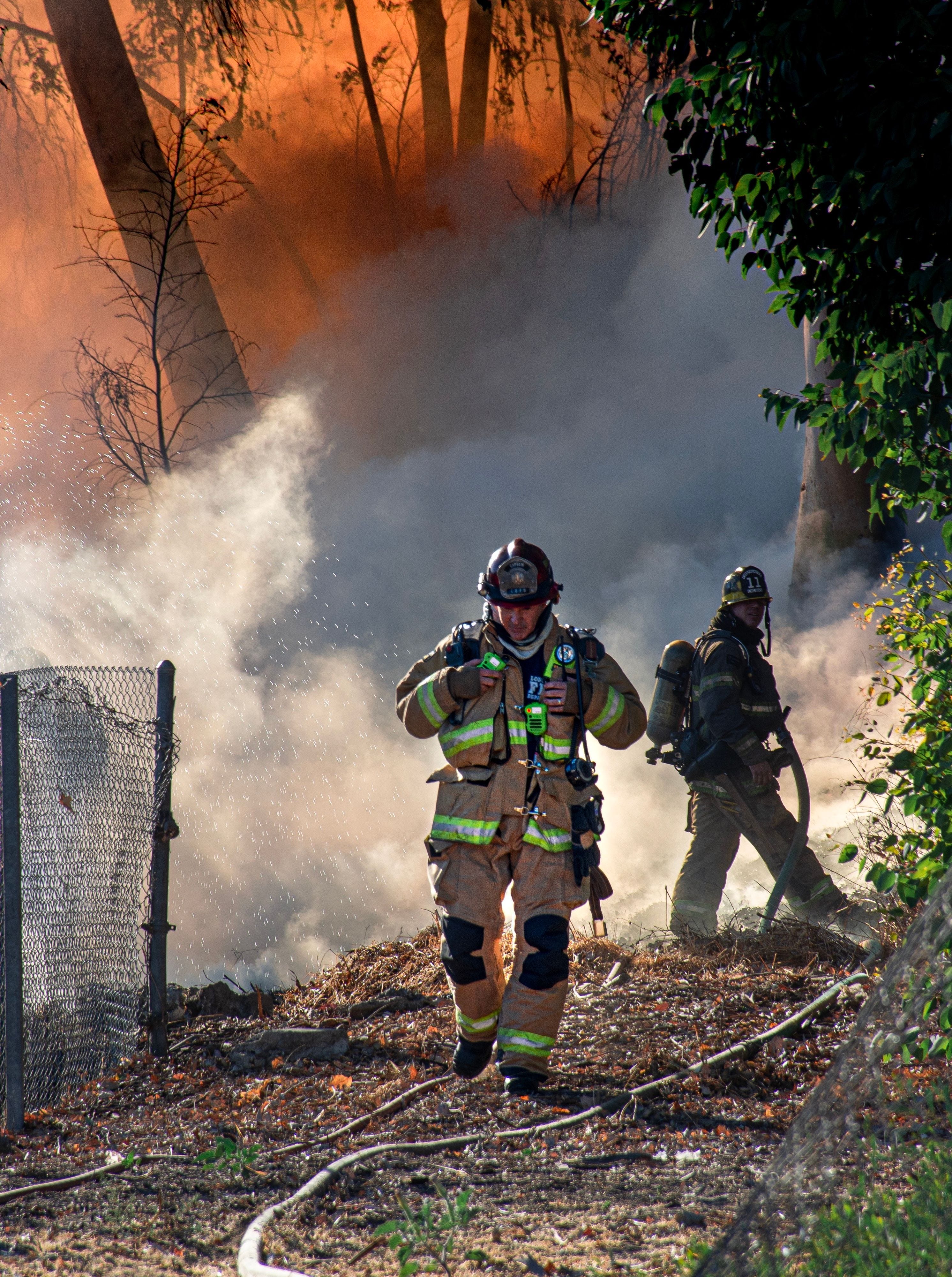
I asked him the obvious question, the one anyone who came from a place with a paid fire department would ask, which is basically: wait, so who’s actually coming? And he laughed a little, the way you laugh when you’ve explained something a hundred times to people who’ve never had to think about it, and told me how this works out here. How there’s a combination of professional fire fighters and EMTs and how most of those are supplemented by incredibly generous volunteers. He taught me about mutual aid, how when there’s an emergency in one town, say Wakefield, the call goes out to Wolfeboro, or Ossipee, or Moultonborough, whoever’s closest and free. Towns covering towns. Neighbors covering neighbors, some of whom have never met, showing up in each other’s driveways in the middle of the night because that’s simply how the system is built.
I’ve lived here three years and I’ve never thought about any of this. Not because I didn’t care. Because I’d never needed to.
That’s the thing about this kind of infrastructure. It’s not a backup system, and it’s not a stopgap until the town can afford something better. It is the system, in a lot of these towns, and it runs almost entirely on people who decided, at some point, to show up for something nobody was making them show up for.
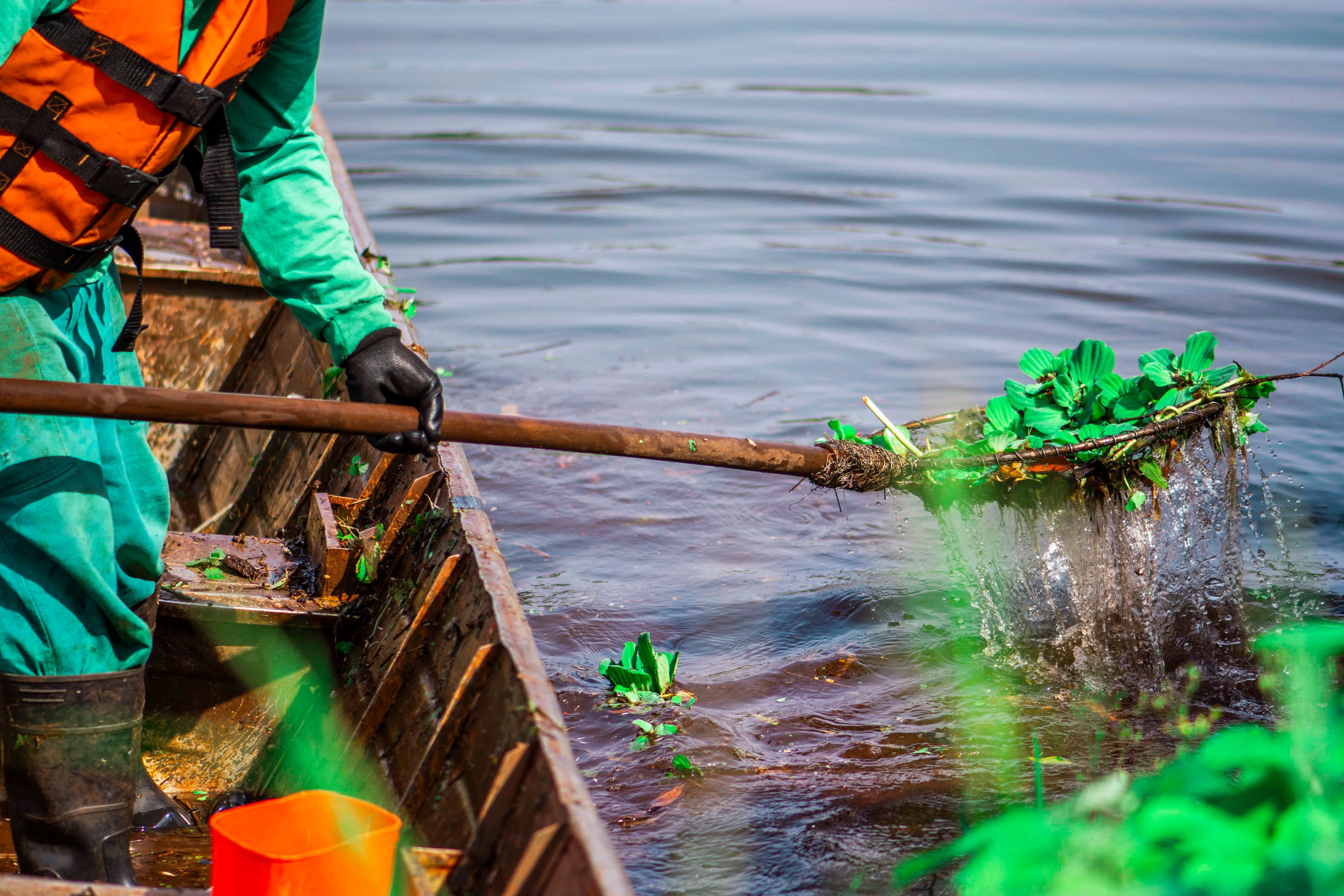
I noticed the same shape again this morning, half by accident. I was standing in line at the pharmacy with my fellow Wolfeboro denizens (IYKYK), scrolling to pass the time, and I got pulled into an article about a local conservation group tracking invasive plant species across the lakes here. Milfoil, mostly, the kind of thing that can choke a lake if nobody catches it early. What stopped me wasn’t the science. It was realizing the people doing it are almost entirely volunteers. People in kayaks with clipboards, mapping plant beds lake by lake, paying particular attention to the ones that cross into Maine or connect by river, because a species that shows up in one body of water can travel to the next one if nobody’s watching the door. Nobody is paying them to notice this. They notice it because if they don’t, nobody will, and then it’s a problem that costs real money and takes years to undo.
And then I remembered a few days ago, I was having lunch with my friend Diane, who sells real estate the way I do - with a deep love for this place, and she started telling me about the food pantry she spends time at. Not fundraises for. Volunteers at. Stocks shelves, knows which families are stretched thinner some months than others, does the quiet math of who needs what and doesn’t make it a production. She talked about it the way you’d talk about something completely ordinary, which is its own kind of tell. For her, it is ordinary. It’s just what Thursdays sometimes look like.
Three conversations, three days, none of them related, and I kept noticing the same architecture underneath. A fire department. A conservation effort. A food pantry. None of them staffed the way you’d assume, if you came from somewhere with a robust non-profit system or the type of government funding that major cities like Boston can provide.
I do a version of this myself, though I want to be honest about the scale of it. I show up for the Lakes Region Board of Realtors beach and park cleanups in the spring. I do the shuffles for the Children’s Auction. I go to the Kingswood Youth Center’s chili cookoff and buy more raffle tickets than any one person needs. My brokerage, Portside Real Estate Group, has an Autumn Equinox fundraiser over at Maine Audubon next week, and I’ll be there for that too. None of that is the same as a two a.m. page, and I’m not going to dress it up like it is. But it’s the same instinct, scaled to what I actually have to give, which I think is closer to how most people end up in this economy than the volunteer firefighter version. You don’t have to be him to be part of it. You just have to be someone who shows up for something.
Here’s what I keep landing on, though. This isn’t a formality. It’s a filter.
You can live here for years, buy the house, get the plates, learn which road doesn’t get plowed in January, and still be a tourist in a lot of ways, if you never once show up for anything that wasn’t about you. Meanwhile the person who’s been here six months but joined the conservation commission, or started pulling shifts at the food pantry, or just consistently turns up to the things that need turning up for, is already rooted here. And its not that anyone is keeping score; the whole idea of mutual aid is that we all have something we can give and we all have something we need. Rootedness here isn’t about duration; it’s about participation. This place doesn’t run on being present. It runs on people deciding, repeatedly, to be useful.
I don’t think anyone should join a board because I said so in a newsletter. That’s not the point of any of this, and honestly it would be a strange thing for me to push, given that my own contribution mostly involves raffle tickets and beach cleanups. I just think it’s worth naming, because if you’re like me even though you want to give back, you just might not have been thinking about it all that much. Nobody puts in the listing, “two car garage, new HVAC, volunteer position as a literacy tutor at your local library.” You find out the fire department runs on volunteers the night you need them, or you find out some other way, over dinner, next to a neighbor who explains it to you like it’s the most obvious thing in the world. Which, out here, it is.
Here’s to the people who show up.
🧭 Jennifer
Keys to the Lakes