

I’ve been writing about this place for just over a year now, and I’ve realized that there are some themes that I’ve been circling, sometimes without naming them.
I’ve written that the Lakes Region isn’t a summer, it’s a year, and that loving it means loving the November Tuesday along with the July Saturday. I’ve written a settling-in guide for newcomers about learning your neighbors’ names and sitting quietly through your first town meeting before you earn the right to speak at one. I’ve written about second home owners doing a kind of math nobody teaches you, not the carrying costs; the identity math, the quiet question of whether you’re still the person this place appealed to or whether you’ve become someone else. Three different piecesfor different readers and underneath all of them, the same handful of questions. How is it that this place is defined by seasons? What happens when the pull to develop it meets the pull to protect it? Who actually gets to belong here, and who decides?
I didn’t set out to build toward a history series. But what can I say, once an academic, always a nerd I guess? So, I’ve been building toward one anyway.
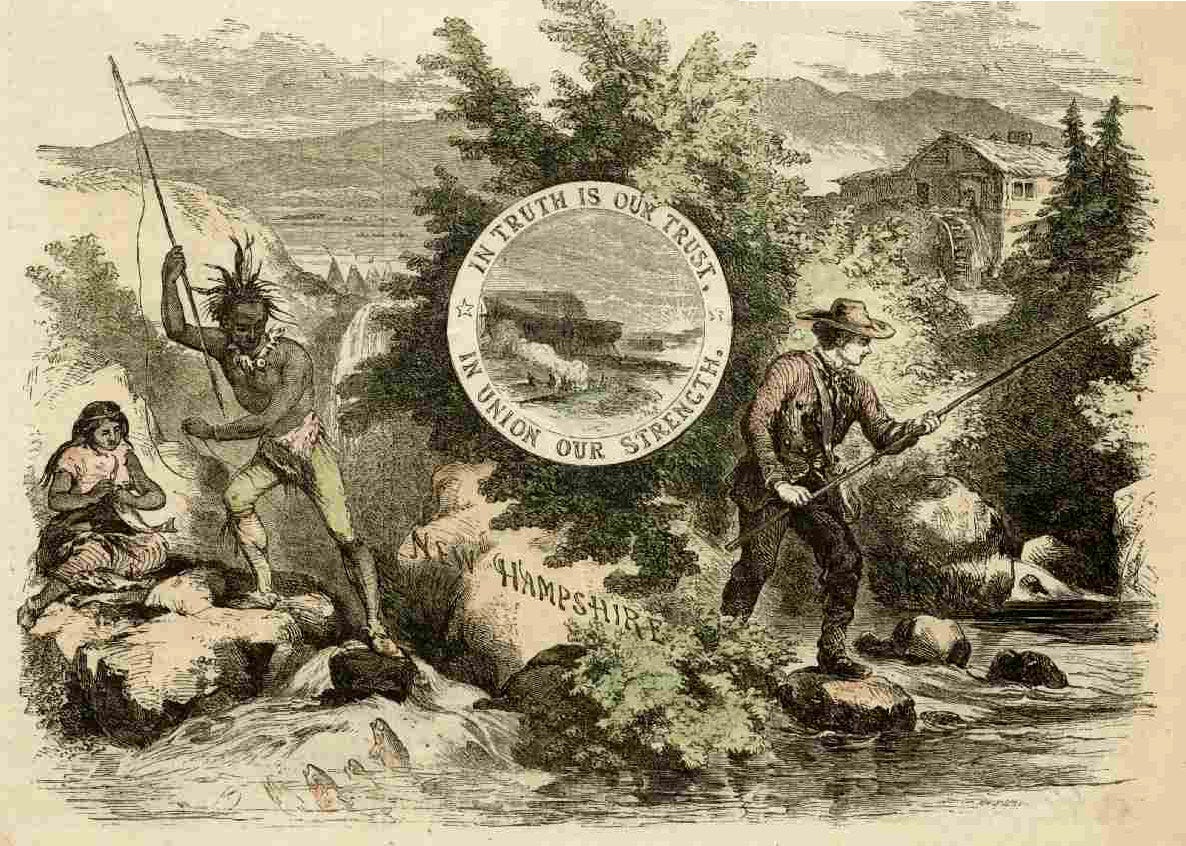
Here’s what I’m inviting you to follow along with, and honestly, it will probably take us more than a year or so to get there. Once a month, I’m going to look back. Not in a straight history-class way, not a syllabus with dates you’re supposed to memorize, but chronologically, starting before any of us were here and moving forward from there, through specific people and places and moments that actually happened in this region. A fishing camp. A road. A mill. A lake that needed protecting from something nobody saw coming. A woman that kept a farm running while the men were at war. I’m going to try to tell those stories the way I’d tell you about a house or a lake or a town, with real names and real specifics, not composites.
And I want to be honest about why. It’s not nostalgia. It’s that I don’t think the things we’re wrestling with right now in this region are new ideas or arguments or positions. I think they’re old ones, dressed differently for each era, and understanding what they looked like before helps me understand what they actually are now, underneath the current version. So most pieces in this series is going to reach forward, at least a little, into where we still are today, even when today’s answer is messy or contested or something we haven’t agreed on yet.
Three threads are going to run through all of it, and I want to name them plainly instead of making you dig for them.
The first is seasonal rhythm. Long before I ever wrote a sentence about the Lakes Region being a year and not a summer, this place was already organizing itself entirely around the turn of the seasons, when the fish ran, when the ground would hold a garden, when a family moved from a summer village to a winter one. That rhythm didn’t start with year-round residents like me deciding to stay through February out of stubbornness or love. It’s the oldest fact about this region there is, and everything since, farming, tourism, the whole idea of a lake house, has had to answer to it one way or another.
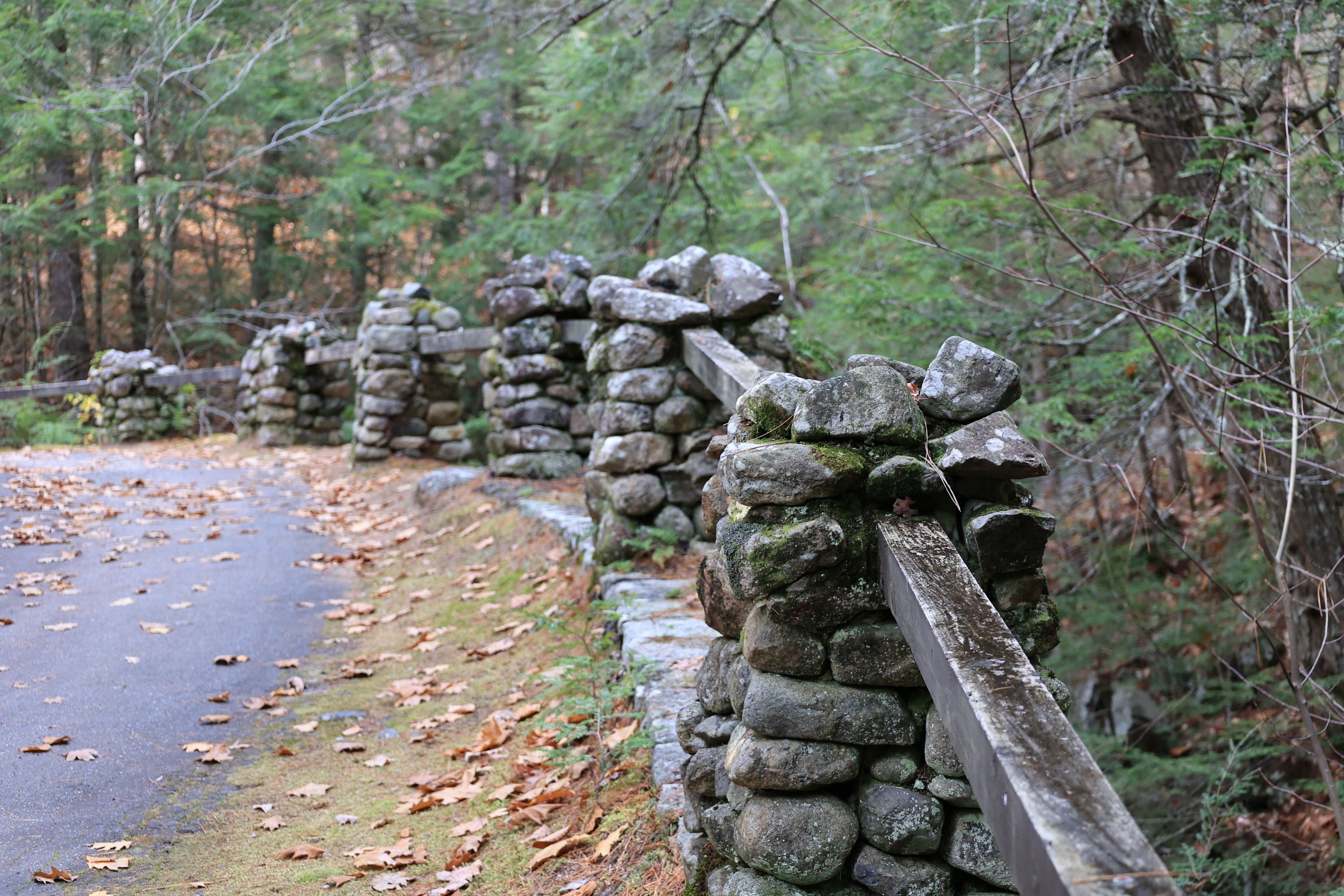
The second is the pull between preserving this place and developing it. I’ve written about towns that guard their residential zoning like scripture and towns that welcomed every dollar that showed up. I’ve talked about how home prices here climbed far faster than almost anyone predicted, observed that second home ownership has become both an economic lifeline and a genuine strain on what a town can hold. None of that started with the current market. It started the first time someone looked at this land and had to decide whether to use it up or take care of it, and that decision has been getting made and remade, generation after generation, ever since.
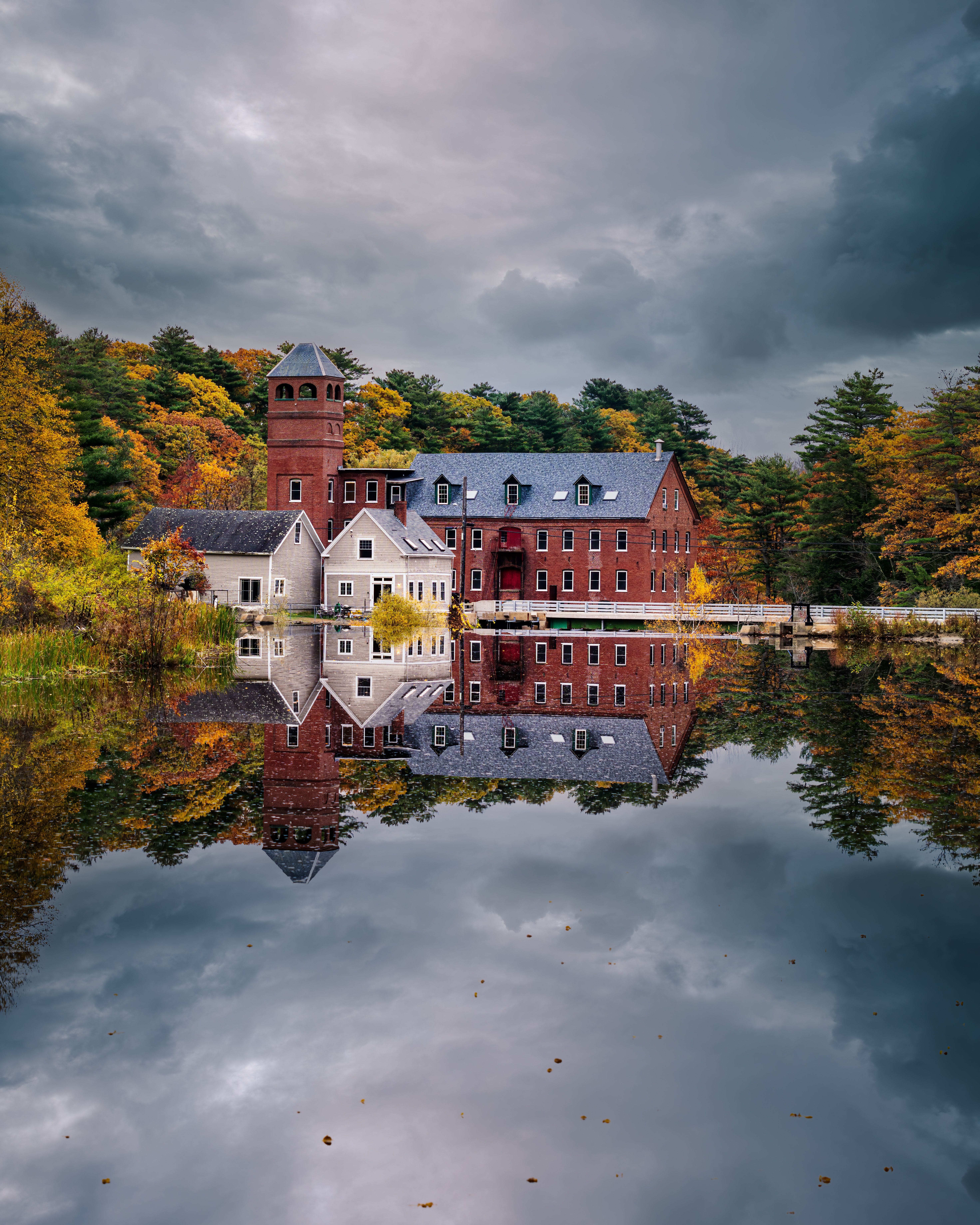
The third is who gets to belong here, and how that’s shifted. I’ve written a guide for newcomers about earning belonging slowly, through small consistent choices instead of grand gestures. What I didn’t say outright, though I think it was underneath every line of it, is that this region has been asking some version of that question since approximately 1680. Who counts as from here. What you have to do, or endure, or give up, to be let in. Who gets pushed to the edges when the answer changes. That question doesn’t have a clean resolution now, and it didn’t have one in any of the earlier eras either. I’m not going to pretend otherwise.
I don’t know exactly how each piece in this series is going to land yet, and I think that’s honestly part of why I want to write it. I live in a house that’s two hundred and fifty seven years old, and I work with people actively building a version of the good life for who they are and what they want to do in the next season. Understanding not just the here and now, but also the here and then can only enrich our shared community.
So that’s where we’re headed. One piece a month, working forward through time, and every one of them circling back, eventually, to right here.
🧭 Jenn
Keys to the Lakes
