Here’s how we usually meet new buyers.
Someone calls us, or walks into the office, because they’ve seen a property online and they want to go look at it. There are forms to sign first, consumer protection requirements that are just part of how real estate works, and then we get them in the door as quickly as we can, because if they think its worth seeing, someone else probably does too.
Most of the time, that first property isn’t the one. It’s too small, or the lot isn’t what they imagined, or the road noise is more than the listing photos suggested, or they stand in the kitchen and something just doesn’t click. That’s normal. Its pretty rare that the first house you see is the one you buy. And it’s also when the real conversation - and the real relationship- begins.
Once we know someone a little — once we’ve driven somewhere together and stood in a few rooms and started to understand how they see a space — we send them a invitation to tell us more via a form. We call it Your Home Search Story.
The name is deliberate. It’s not a requirements checklist or a property criteria sheet. It’s an invitation to tell us what this search is actually about, now that we’ve met and there’s a little trust in the room.
Most of what’s in it is what you’d expect. Which towns interest you. What your budget looks like. How many bedrooms. What your deal breakers are. Buyers come to these questions prepared; they’ve been thinking about them for months. They can answer the house questions with something close to a spreadsheet.
But there are a few questions in there that land differently. That we hear slow folks down a bit to think.
If this purchase went exactly the way you hope, what would life look like on the other side?
And then, a few questions later:
If nothing changed and you didn’t move, what would that mean for you?
The first question is easier. People have been carrying the good version of this in their heads for a long time. The lake out the back window. The commute that changes from traffic on a major highway to none at all, or to winding around a lake or over a mountain. The kids with room to run. Chickens in the back yard. The mornings that feel different. The question just gives them permission to say it plainly, and most people are ready to.
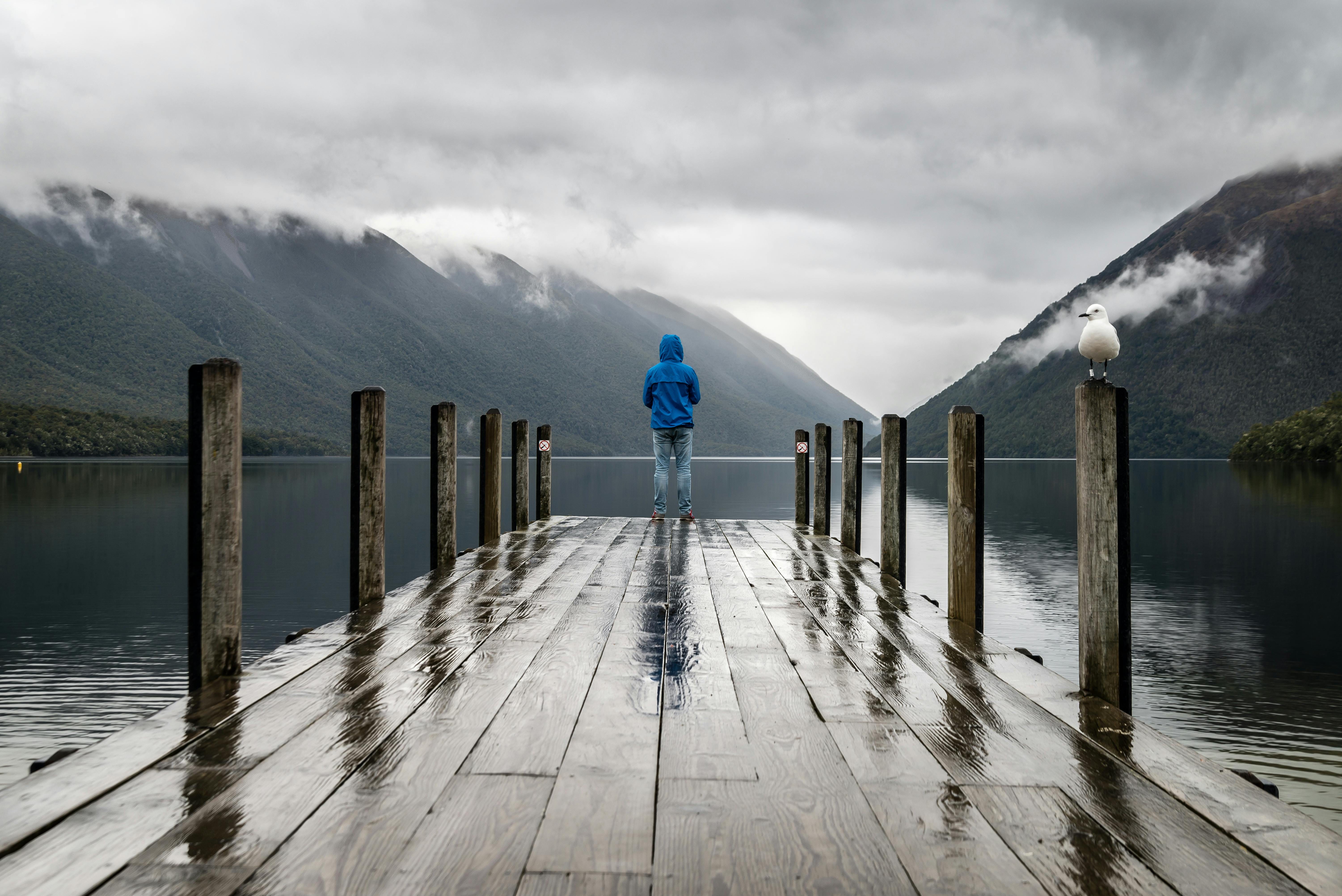
The second question is different.
The answers we get are almost always more serious than people expect to put into words on a form. Nobody says “nothing” or “I’d just keep looking.” What comes back is closer to something they’ve been aware of but haven’t quite named out loud yet. Something about what staying means for their children, or their work, or the version of their life they’re actually trying to build. These answers sometimes hit in a way that you don’t get to by talking about square footage and acreage. People rarely describe a housing problem. They describe something more fundamental than that - a vision of what they are afraid their life might become if they stay where they are.
We ask it because we need to understand it. Not to test anyone, and not because the answer changes what we do logistically. But because once we know what someone is actually trying to move toward, or away from, we see houses differently on their behalf. We notice different things during a showing. We ask different questions when we’re standing in a backyard or looking out at a view.
We also ask buyers to rate, on a scale of one to ten, how ready they feel right now. And then: if you’re not at a ten, what would need to happen?
People sit with that one for a moment. The number that comes out is sometimes lower than they expected to say. And what they describe needing — one more visit to understand what winters actually feel like here, a clearer picture of what happens with their current home, a conversation with their kids about what the move would mean — tells us how to pace the search and what to pay attention to. Occasionally it tells us someone isn’t quite ready yet. That’s important to know. Better to understand it at the beginning than to piece it together after house number twelve.
We wrote about this earlier this year — the question we wish every buyer asked themselves before starting a search. This is the other side of that: the questions we ask, once we’ve met and started to earn the right to ask them, so the search that follows is built on something real.
The bedrooms and the acreage and the town preferences matter. We pay close attention to all of it. But a house that fits the criteria without fitting the life underneath the criteria isn’t the right house. And we can’t help someone find what they’re looking for if we only understand the surface version of what they’re looking for.
If you want to work through these questions before we meet, or you’ve already been out with us and are ready to go deeper, the form is here. We read every answer. The conversation we have afterward tends to be a better one because of it.
Here’s to knowing what you’re actually looking for.
🧭 Jenn & Andrea
Keys to the Lakes