

They’d seen twenty houses.
Not ten. Not fifteen. Twenty.
And when we finally found it—the one that ticked every box, the one they’d been looking for since April—they couldn’t move forward.
Not because they weren’t qualified. They were cash buyers with solid finances and a family member providing a gift to help out. Not because they couldn’t imagine their kids playing in backyard and swimming at the beach down the street. They could. Not because the price was wrong or an inspection raised red flags.
They couldn’t move forward because they hadn’t actually clarified their decision-making process before we started looking.
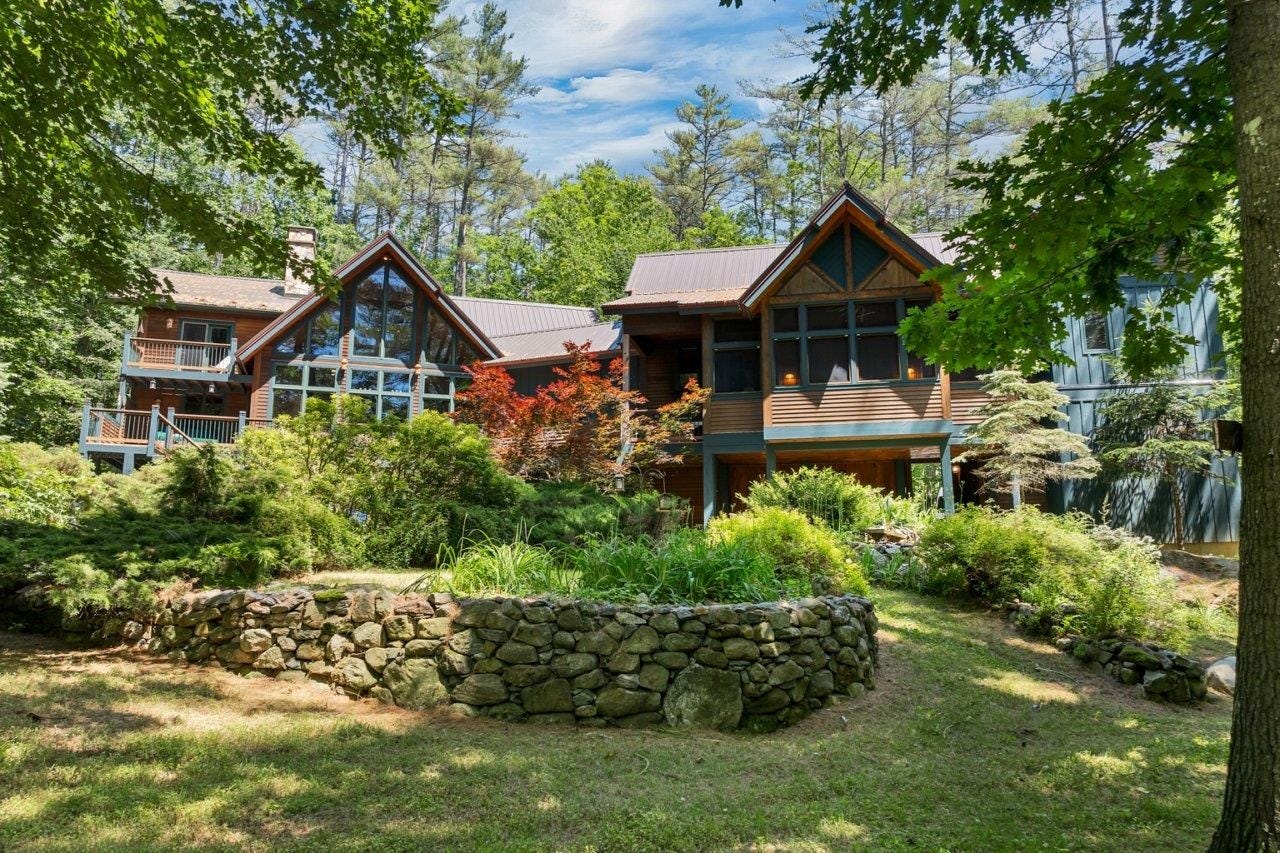
Here’s what happened: They’d told us they were ready. They came referred from another agent who vouched for them. They had a healthy budget. They knew what they wanted in a house: 3 bedrooms, a community beach, camp vibes. On paper, everything looked good.
But when it came time to write the offer on house number twenty—the one—they realized they needed to check in with the family member who was helping them financially. Except he wasn’t available just then, and it didn’t feel right to move forward without his input. By the time they could have that conversation, just a day later, someone else had made an offer. The house was gone.
They’re still working with us. But they’re not actively searching right now. Nobody did anything wrong. Nobody acted in bad faith. This wasn’t about money or qualifications or even timing, really. It was about not having aligned on what the process would actually require before we started walking through front doors.
And that’s the question I wish every buyer asked before March: What does this process actually require of me—and am I ready for that right now?
Why This Question Matters More Than You Think
Most buyers ask us about inventory. About interest rates if they’re financing. About which towns have the best schools or lake access. About price per square foot and how competitive the market is right now.
Almost no one asks: What will this process ask of me? What do I need to have figured out about myself, my decision-making, my life, before I start looking?
But that might be the most important question.
Because here’s the reality about buying in the Lakes Region: houses come on the market year-round, and there’s no shortage of great opportunities. But if a house feels perfect to you, it probably feels perfect to someone else too. And if that someone else is ready to move quickly and you’re not, they’re going to get it.
When something right shows up, you might need to see it that day. Decisions happen faster than you expect. None of this is meant to create urgency or pressure you into moving before you’re ready. It’s meant to help you understand what “ready” actually means in this context.
You can’t speed up your decision-making just because the market is moving fast. But you can prepare for it by understanding what you’ll need—logistically, emotionally, relationally—before you start looking.
Our clients who saw twenty houses? They thought “ready” meant having the money and knowing what they wanted in a house. And, honestly, so did we. And those things mattered. But what they didn’t realize they needed was clarity on who had to be part of the decision and how they’d handle it if that person wasn’t available when it was time to move. And we didn’t ask that question when we were onboarding them.
That’s not a failure. That’s just information they didn’t have yet. And a lesson we hadn’t yet built a system to address.
What the Process Actually Requires
Here’s what we’ve learned after years of helping people buy in this market—not the generic “steps to buying a home” you can find anywhere, but the actual emotional and logistical reality of what this looks like.
You need timeline flexibility. Not every day, not all the time. But if a house hits the market on a Tuesday and you’re only available on weekends, you might miss it. If you’re managing this search from out of state—and many of our clients are—you need to think through what it means to potentially fly up on short notice or empower someone local to walk through for you. Can you, or they, move schedules around if needed?
You need to understand your decision-making process, especially if you’re buying with a partner or family. Can you make a confident decision quickly, or do you need time to sit with things? What does “ready to decide” look like for you as a couple? Have you talked about what happens if you disagree on a house? Who else needs to weigh in—parents, kids, financial advisors, the family member who’s helping with the down payment? And crucially: are those people available and aligned when you need them to be?
You need emotional stamina. You might see ten houses that aren’t quite right before you find one that is. You might fall in love with a place and lose out to another buyer. The market can feel personal even when it’s not. How do you recover from disappointment and keep going? Because you often have to.
You need logistical readiness. If you’re financing, you need a pre-approval in hand—not “we could probably get approved,” but actual paperwork. If you’re a cash buyer, you need clarity on how quickly you can access funds and who controls that decision. You need to know what you’re willing to compromise on and what’s non-negotiable, because almost every house will ask you to compromise on something.
None of this is a test you pass or fail. They’re aren’t right or wrong answers to the above. It’s just honest information about what buying a house in this market actually feels like. And what you discover in this process will help shape the search in important ways.
And the truth is, sometimes the most important realization is that you’re not quite ready yet—not because you can’t afford it or because the market isn’t right, but because you need more clarity on your own process first.
How to Know Where You Stand
These days, we have a different conversation with buyers before we start looking. Not just about pre-approval or budget or beds and baths—those matter, but they’re not the whole picture. We talk about process.
We ask things like: Who needs to be part of this decision, and are they available and aligned? What’s your timeline—both ideal and flexible? How do you and your partner make decisions when you’re under time pressure? What happened the last time you made a big life decision together—what worked, what was hard? If you see the right house tomorrow, what would need to happen for you to feel confident moving forward?
We ask these questions not to gatekeep or qualify people out, but because we’ve learned—sometimes the hard way—that alignment on process matters as much as alignment on price or location.
Our clients who saw twenty houses taught us this. They were wonderful people. They’re still wonderful people, and we genuinely hope we can guide them to finding their place here when the timing is right. But if we’d had this conversation in April or May instead of discovering it in real-time in August, maybe we all would have approached the search differently. Maybe they would have discussed criteria and whether their family member wanted improvement. Maybe they would have flown out as a group and looked at everything in their price range in a single week instead of doing video walkthroughs across the summer. Maybe it would have unfolded exactly the same way, but at least we’d all have been on the same page about what we were walking into.
There’s no shame in realizing you need more time to make a decision. Understanding what the process requires now helps you prepare for it when you’re ready—whether that’s next month or next year. And if we see you really seem to love a house we’re going to gently ask how you will feel if you decide to sleep on it and then discover tomorrow that someone else’s offer was accepted last night. Not to put pressure on you, but to gut check.
The Invitation
The market will be here whenever you’re ready. Inventory will come. Interest rates will do whatever they’re going to do. Houses will sell.
The question isn’t whether the market is ready for you. It’s whether you’re ready for what the market will ask of you.
And listen: there’s no “right” answer here. Maybe you’re absolutely ready—you’ve done the work, you know your process, you’re just waiting for the right house to show up. If that’s you, great. Let’s find it.
Maybe you’re in the early research phase and you’re not planning to buy until next year. Also great. Understanding what the process requires now helps you prepare for it later.
Maybe you’re somewhere in between—you think you’re ready, but you’re not totally sure what “ready” even means in this context. That’s actually the most common place to be, and it’s a really good place to start a conversation.
We created a short set of questions we now walk through with every buyer before we start looking. You can work through it here—and yes, if you fill it out, we’ll have your email and may reach out to see if we can help. But even if you just want to think through these questions on your own, they’re useful.
The goal isn’t to make sure you have the money—that matters, but it’s only a box to tick. The real goal is to make sure we have shared expectations about the process and what’s required to get to the closing table on whatever timeline works for you.
Because here’s what we’ve learned: the best client relationships aren’t the ones where everything goes perfectly. They’re the ones where everyone is aligned on what to expect, where we’re honest with each other about what’s hard, and where we’re all working from the same playbook.
If you’re thinking about buying this spring—or wondering if you should be—we’d love to have that conversation. Even if you decide you’re not ready yet, that’s useful information. Sometimes the most important part of getting ready to buy is knowing you’re not ready yet.
We’re happy to be a resource wherever you are in the process.
Here’s to life between the lakes and mountains.
🏔️Jenn and Andrea, Keys to the Lakes
