

A lot of us spent part of last September and October gazing out on views that looked wrong. Docks sitting lower than they should have been. More rock showing than usual. The drought, the worst one in 131 years, did that — walked the waterline back a foot or more in places, left rings on the boathouse pilings, exposed hazards that had always been there but had always been covered. Some people pulled their boats out a month earlier than usual, or winterized them with a different kind of quiet. Some just watched the lake go quieter earlier than any year they could remember and tried not to think too hard about what the season had given and then taken back.
That’s the context for this spring. The ice went out April 12th. The water is up. Not all the way back everywhere, not officially out of drought in most of the state, but meaningfully better than the close of last season. The relief is real.
And the boats are going in.
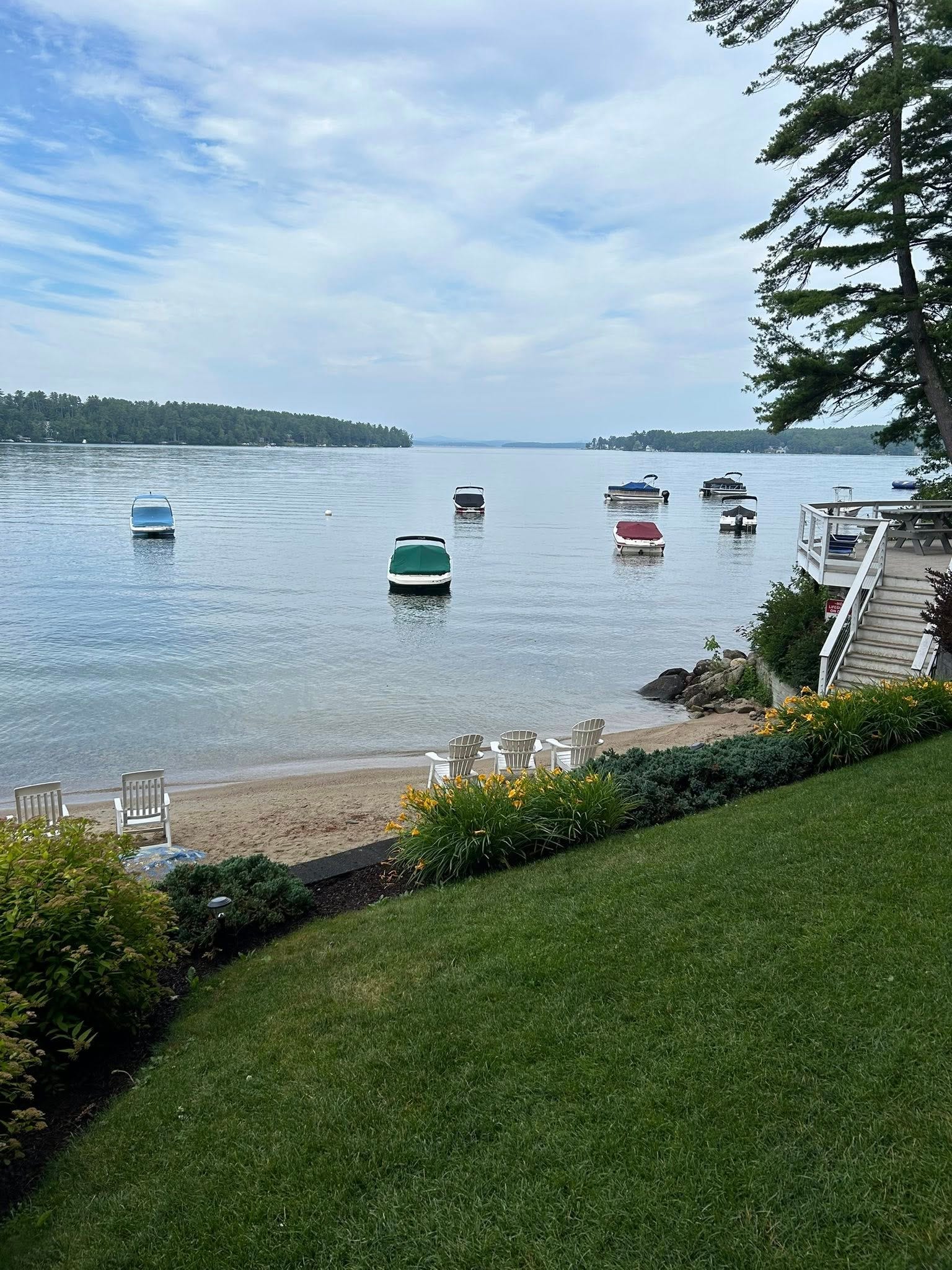
If you’ve done it before, you already know what this ritual actually feels like. It’s not triumphant. It’s cautious. There’s the backing down the ramp, which requires either a very patient spotter or a spouse who has made a private peace with this annual negotiation. There’s the moment the stern drops in and you watch to see if anything looks wrong. There’s the first engine turn — the one where half your brain is already composing the call to the marina — and then the engine catches and you exhale in a way that surprises you every time.
You idle out past the no-wake buoys before you give it anything. The lake is cold and still and you have it almost entirely to yourself for maybe three more weeks.
That’s the thing about this particular window. Pre-Memorial Day on the lakes is its own season. Quieter than anything that comes after. Worth protecting and worth knowing, if you’re new enough here that you haven’t experienced it yet.
Given where lake levels were at the end of last season, this spring is worth a little extra attention to depth. The rocks that were exposed last fall are mostly covered again, but “mostly” is doing some work in that sentence. If you’re going into coves or back bays you haven’t navigated since last summer, take it slow and check your charts. Nautical charts for the Lakes Region lakes are available through NOAA and through most marine retailers — worth having on the boat, not just on your phone, which will die at the least convenient moment.
For new boat owners, or anyone whose boat changed hands over the winter: New Hampshire requires a boater education certificate for anyone 16 or older operating a motorboat over 25 horsepower. The course is available online through boat-ed.com and takes a few hours. It’s not just a compliance requirement; it’s actually useful, especially if you’re navigating a lake you’re still learning. Registration for motorboats is required through the NH DMV — some marinas can help with this — and out-of-state boats have a 30-day window before they need NH registration.
Life jackets are required on board for every person, and children 12 and under must wear one at all times. The rest of the safety gear list — throwable flotation, fire extinguisher, distress signals — hasn’t changed, but it’s worth a quick inventory before the first trip out. Winter has a way of relocating things.
The ecological piece is worth a few sentences, because last year reminded us of it.
The drought of 2025 wasn’t just a navigation problem. Low water means less dilution of whatever enters the lake, warmer water temperatures in the shallows, more stress on the fish and the loons and the aquatic plants that hold everything else together. The lakes recovered some. They haven’t fully recovered. This is a season to be a little more careful than usual about where you idle, how close you get to shoreline vegetation and nesting areas, and whether your boat is clean before you put it in — inspecting and draining equipment between lakes slows the spread of invasive species, which do measurably more damage in stressed ecosystems.
The curmudgeons who wish the motorized boats would stay home are, as usual, not entirely wrong. They’re also not going to win this argument. What the rest of us can do is earn their grudging acceptance by operating like we know what we’re sharing.
For the person who sold their boat over the winter, or is spending this spring on the shore instead of on the water for whatever reason: the lake is still yours. It’s just yours differently this year. Some seasons are like that.
For everyone else — the first launch is waiting. The engine will catch. The water will be cold and the morning will be quiet and you’ll wonder, not for the first time, how you went eight months without this.
Here’s to the season opening well.
🧭 Jenn & Andrea
Keys to the Lakes
