

There’s a particular kind of exhaustion that settles in for most of us around late February. You’ve stopped noticing the cold the way you used to. You just... move through it. You put on the layers without thinking. You start the car and go back inside while it warms up.
By March, most of us are ready. Not dramatically ready. Not dramatically anything, actually. Just quietly, thoroughly done. Which is tough, because most years, snow in April is pretty likely. We recently published a piece about how spring comes late here. And then the snowbanks went from 5 feet high to non-existent in the space of a week. Then we got three inches over three days. And now it’s back to 60. So this year might be different. Possibly.
Winnipesaukee still has ice, but there are wide patches of open water along the edges now, dark and glittering where it used to be white. With any luck, it will rain all day for a few days; a soft, soaking rain, the kind that doesn’t make news but does real work. By evening each day the ground would be drinking.
The towns set the deadline: bob houses off the lakes by April 1. But anyone with any sense got their huts off the ice a week or two ago. Which means the season has made its decision, even if we haven’t quite made ours. There will probably be another snowfall. There almost always is. But it won’t stick the way the others did, and somewhere between today’s rain and tomorrow’s mud, most of us are starting to understand that winter is leaving. Not dramatically. Not with a final statement. Just... backing out the door while we were looking the other way.
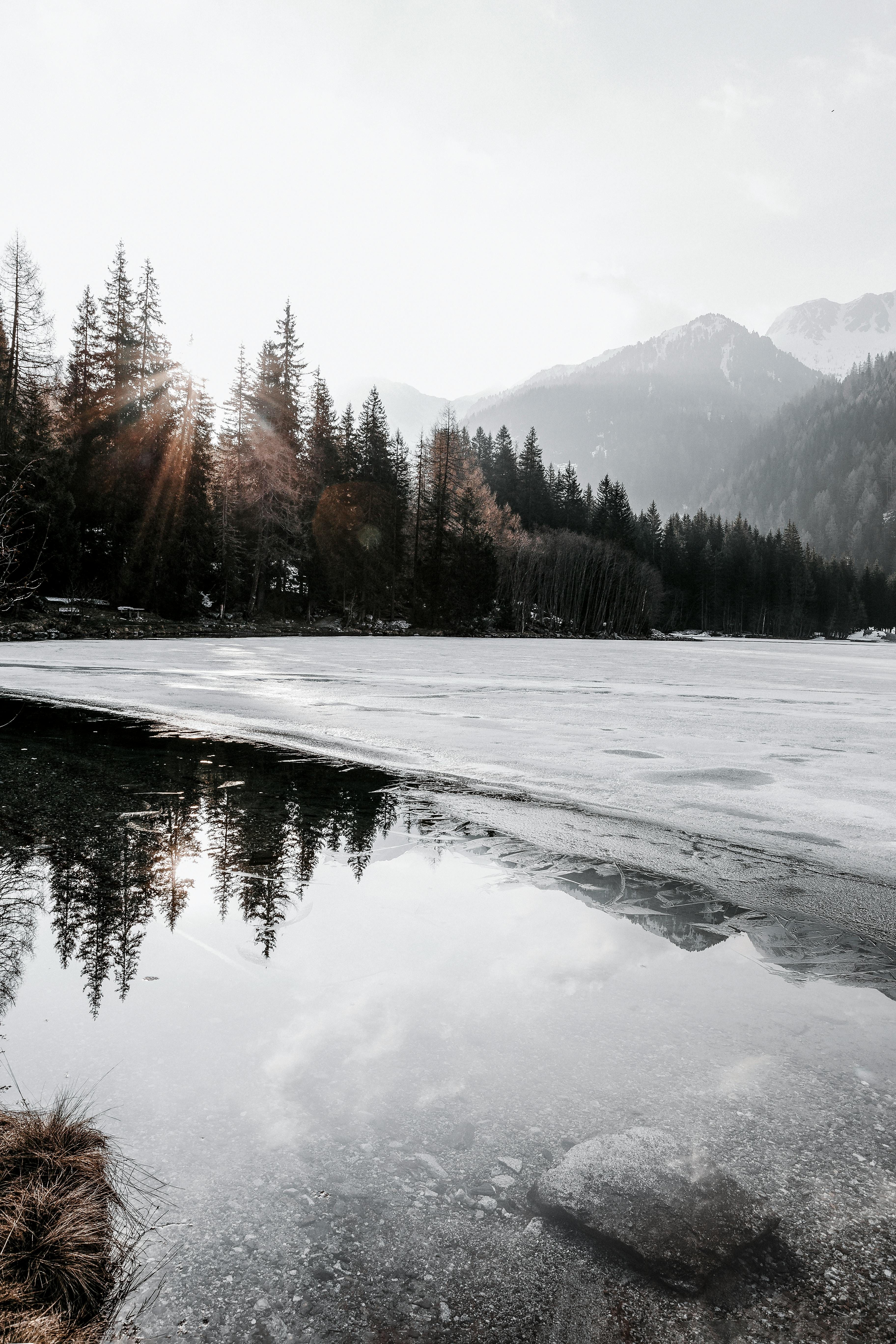
Some part of us isn’t sure it got to say goodbye. Or, perhaps fittingly given how warm it was on St. Patrick’s Day, it’s doing an Irish Goodbye this year. In which case, Slán go fóill.
Here’s what you’ll probably miss, even if you don’t admit it yet.
The stillness. Not silence exactly; winter here isn’t quiet if you’re paying attention. But there’s a quality of stillness on a cold morning when the lake is frozen and the snow is deep and nothing is moving that doesn’t exist in any other season. You step outside and the world feels held.
The smallness of the social world. Winter shrinks things, and that shrinking is actually a relief. The restaurants are less crowded. You recognize everyone at the hardware store. The pace drops, not because people are lazy, but because the season sets limits and everyone seems to accept them.
The light. Specifically, the way the late afternoon light hits snow in February. There’s a particular quality to it. Low and golden and slightly bittersweet, the way good light often is.
And here’s what you won’t miss.
The salt on your boots and your floors and your car. The ice dam that appeared over the back door in January and has been silently doing something you don’t want to think about to the soffit. The 4 a.m. anxiety after a heavy snowfall about whether you can get out, about whether you need to be somewhere, about whether the plow guy is already on the road. The way the mud season trails winter like a less glamorous companion, uninvited but inevitable.
Both lists are real. Both are true.
The paradox of living seasonally is that you hold both at the same time.
You endure winter. And then you miss it. You are genuinely, bodily ready for spring by the time it comes, and you are also somehow not quite prepared to let winter go. You’ve complained about it for four months and you’ve also, somewhere in there, loved it. Or at least loved something about it. Or at least loved that you’re the kind of person who stays and says they love it.
That last part matters.
What’s interesting about this particular moment in the year is that sometimes it arrives before you’ve mentally prepared for it.
Winter ending is one thing we all anticipate with glee. Except for the ski people, they’re desperately seeking which mountains still have decent runs worth making the trek for.
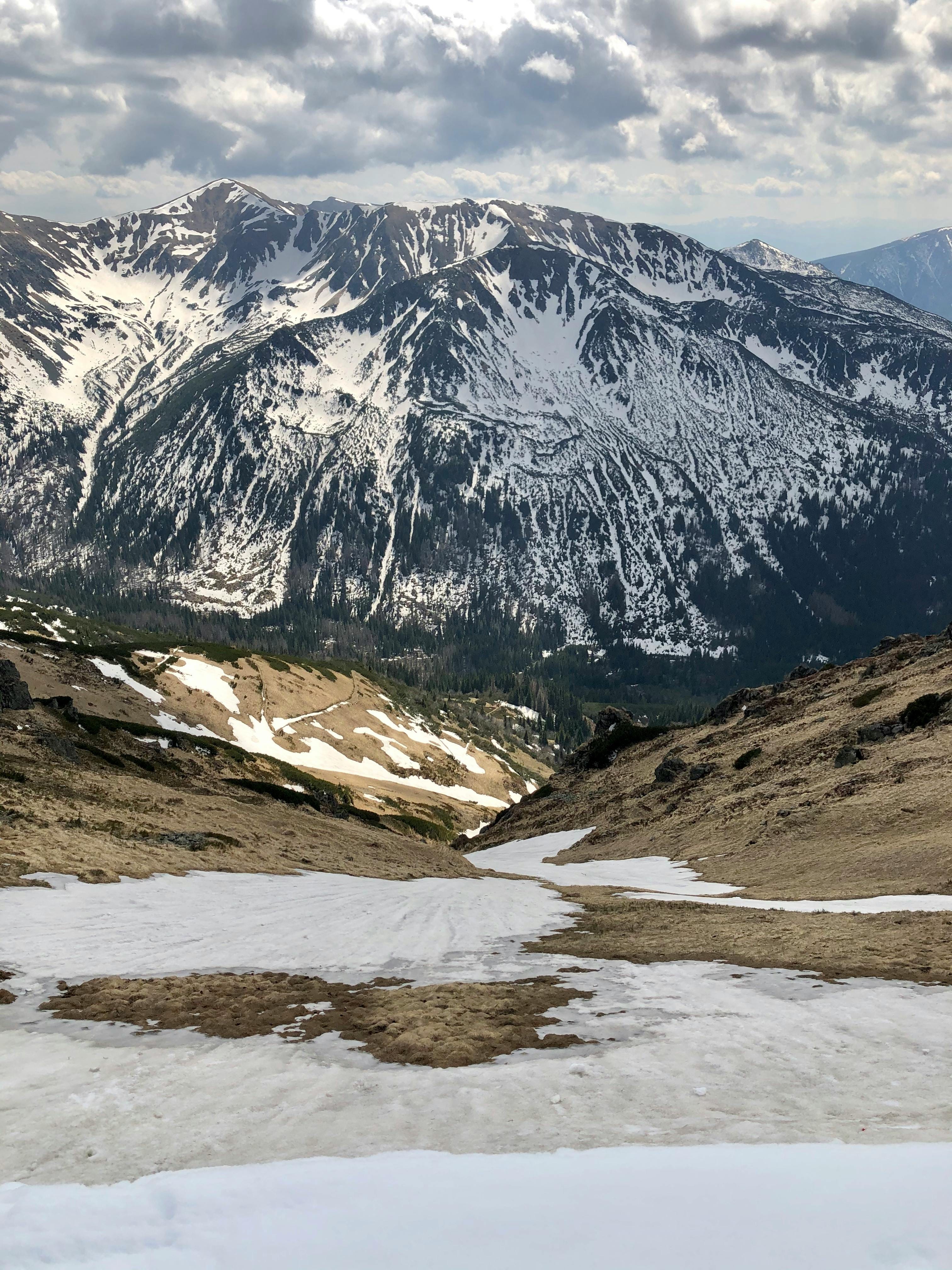
But winter ending early means the gears are already shifting in ways you haven’t planned for. The boat is still in storage. The dock sections are still stacked. You haven’t thought about the summer schedule, the renters if you have them, the dock permit renewal, the kayak paddles that need new hardware. And yet here comes the rain, and here goes the ice, and suddenly you’re doing the math in your head: eight weeks, maybe ten, and this place will be unrecognizable.
Not unrecognizable in a bad way. Just completely, seasonally transformed.
The kayakers will be back on the water. The ice cream stands will reopen, always slightly earlier than you expect. The farmers markets will start selling again, first with lettuce and asparagus and spring onions. The marinas will start launching boats in waves, and Route 16 will go from navigable to optimistic in the span of a weekend in late May. The summer people will arrive, and the towns that have been quietly, contentedly themselves all winter will expand again into something louder and more crowded and genuinely fun, if you can make peace with the traffic.
There’s something clarifying about standing at this exact threshold. You can still feel the winter behind you. You can already feel the summer pulling. And for the next few weeks you get to hold both at once — the relief of what’s ending and the anticipation of what’s coming — before the season takes over and carries you forward whether you’re ready or not.
That feeling is one of the things we love most about living here.
Live in this moment as much as you can. In a few weeks, the peepers will start. The ice will go out. The mud will dry. Someone will open a window for the first time since October, and you’ll feel the particular small joy of cold house meeting warm air.
Winter will recede, without apology or ceremony, just quietly backing out the door.
And if you find yourself feeling something like gratitude (or even nostalgia) as it goes, even through the relief, even through the fatigue, that feeling is worth noticing.
It means you’re already looking forward to next year.
Here’s to the last snowfall, the mud season, and whatever comes next.
🏔️ Jenn & Andrea
Keys to the Lakes.
If you’re in the “wondering what long-term fit actually looks like” camp and you’d like to think it through with someone who lives it, we’re always happy to talk. No pressure, no pitch. Just a conversation.
