

Nobody writes songs about mud season.
Noah Kahan gave us “Stick Season”—that liminal space between fall color and first snow when the trees are bare and everything feels like waiting. It’s beautiful and melancholic and perfectly captures a specific New England mood.
But mud season? Mud season gets no love songs.
If it did, maybe it would sound something like this:
And the snow’s turned to water, the roads turned to shit
My dog’s in the entryway covered in it
You’re three states away where the spring comes on time
And I’m stuck in the mud of this place I call mine
See? Not exactly radio-ready.
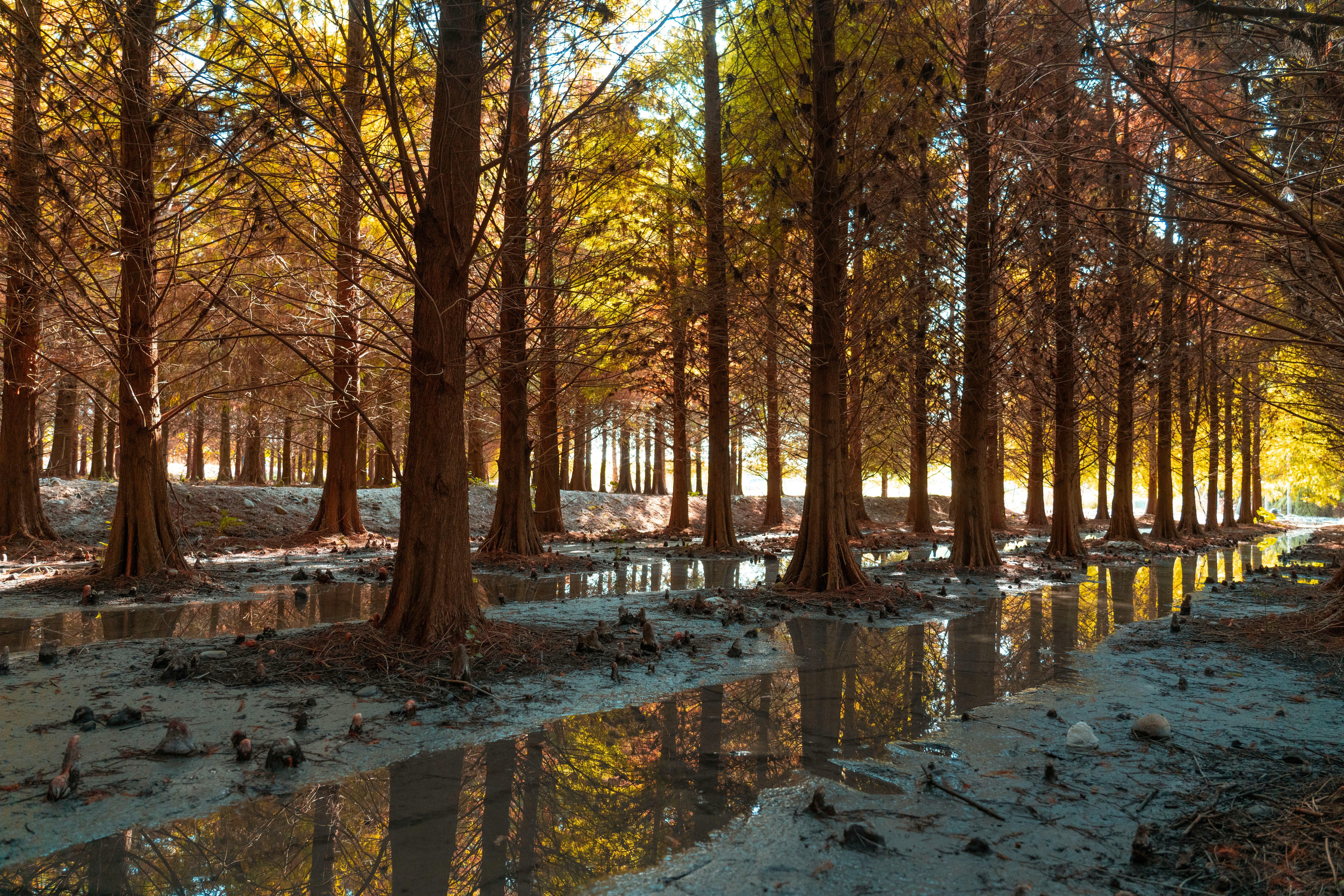
Because mud season is the season that humbles us. It’s the dubious prize you’ve earned for making it through another winter. It’s what happens when all that snow you’ve been dealing with since December finally decides to melt—right into your driveway, your yard, your basement, and (if you have dogs or children) your entryway floor.
It’s not pretty. But it’s real. And if you’re thinking about moving here, you should know it exists.
What Mud Season Actually Is
If you’re new to New England, here’s the deal: mud season happens between winter and spring, usually late March through mid-April, though it can stretch longer depending on how indecisive winter decides to be.
The snow melts. The ground thaws—but not all at once, and not evenly. The top layer softens while everything underneath is still frozen, which means water has nowhere to go. So it just... sits there. Saturating everything.
Dirt roads turn into off roading courses. Driveways become marshy. Frost heaves make paved roads feel like you’re driving over moguls. And you will become very familiar with your mudroom (which, it turns out, is named that for a reason).
The Mud Season Realities Nobody Warns You About
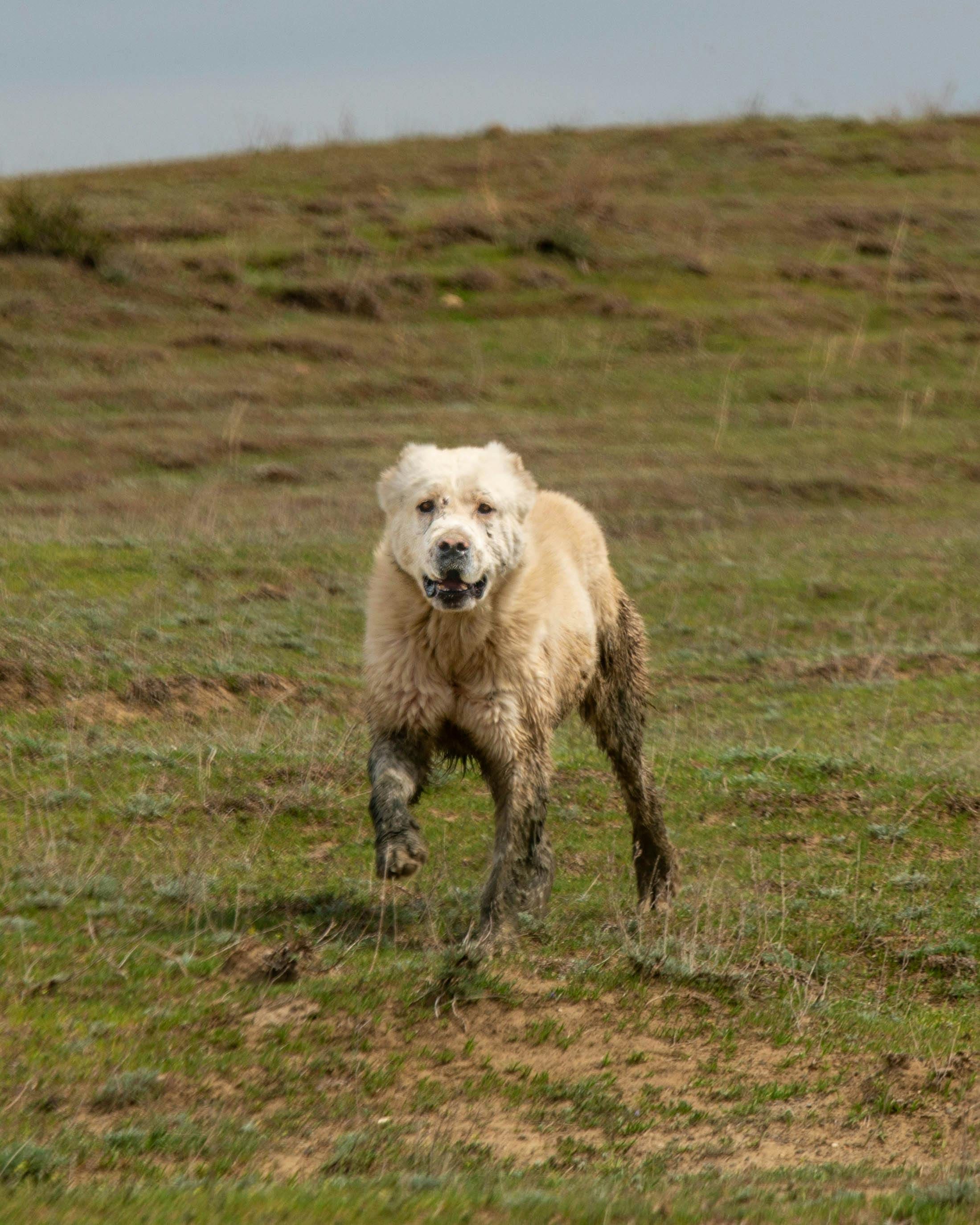
Your dogs will come inside filthy.
Unlike winter, when snow mostly brushes off, mud sticks. Every walk becomes a commitment to either toweling off four paws or just accepting that your floors are going to look like a crime scene. Jenn fantasizes every year about converting the garage into a dog wash station. She has not yet installed a dog wash station. The mud continues. Andrea, smarter, has a cat who perches on the patio staring disdainfully at us mere mortals who wade through the mud.
Your kids will track it in and somehow not see it.
You will ask them to sweep. They will look directly at the muddy footprints and say, “sweep what?” This is a universal law of parenting in rural New England. We don’t make the rules.
You’ll need to budget time differently.
Frost heaves—those bumps and dips that form when ground freezes and thaws unevenly—turn familiar roads into unpredictable terrain. Add in dirt roads that turn into sucking mud—half-frozen, half-cement, entirely unpredictable, and your usual 20-minute drive might take 30. If you are going out to meet anyone whose opinion you care about, you will go to the car wash first. You will go again two days later.
Dirt roads become strategic puzzles.
Some are passable. Some are “technically passable if you have four-wheel drive and no regard for your suspension.” Some require what we call “rabbit warrening”—finding alternate routes through back roads you didn’t know existed until Waze rerouted you there in desperation. Oh, and learn from our mistakes, “Access Roads” don’t mean you should use it to access anything, they’re for like emergency vehicles or lumber extraction or something.
But Here’s the Thing About Mud Season
It means you made it.
Another winter notched on the belt. The sun is coming back. It rises earlier now, stays longer. Some afternoons, you can open the windows for a few hours and let actual fresh air move through the house instead of the dry, furnace-heated kind you’ve been breathing since November.
The birds come back. Not just the chickadees and nuthatches who were stubborn enough to stay all winter, but the robins, the red-winged blackbirds, the ones who had the good sense to leave and are now back to reclaim their territory. They’re loud. They’re distracting. They sit outside the window while you’re trying to write and remind you that the world is waking up again.
The sap starts running. If you know someone who taps maples, this is their season. Steam rises from sugar shacks. The smell of boiling sap hangs in the air on the right kind of morning.
And the garden catalogs start arriving. Optimistic, glossy, full of promises about tomatoes and sunflowers and herb gardens that will definitely thrive this year (they may or may not, but hope springs eternal).
Mud Season Just Is
If you’re researching a move to the Lakes Region, here’s what mud season really is: it’s the thing that separates people who love the idea of rural New England from people who shrug at it and keep on living here.
If your reaction to everything we’ve described is, “no way, no how,” becoming a year round resident might not be for you. And that’s okay. Better to know now.
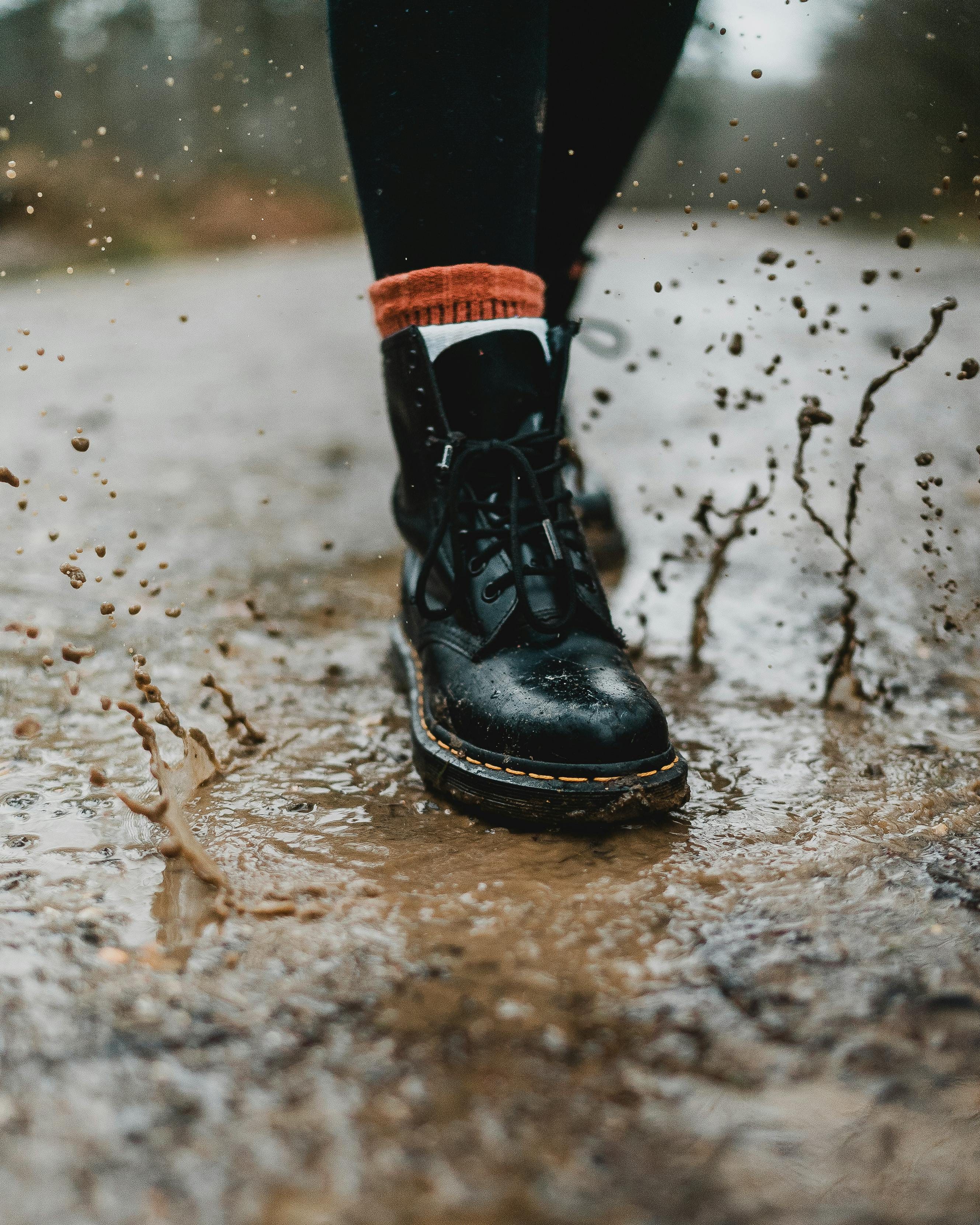
But if your reaction is something closer to “well, I guess I’m learning about frost heaves and buying extra boots,” you’ll be fine.
Because mud season doesn’t last forever. By April, the ground firms up. The roads smooth out (mostly). The forsythia explodes. The lake thaws. And you remember why you’re here.
But for now—late February, early March—mud season is coming. And if you live here, you already know: it’s not optional. It’s just part of the deal. The dogs will be filthy. The kids will track it in. You’ll go to the car wash twice a week. You’ll leave earlier for everything.
And then one morning in May, you’ll wake up and realize the ground is solid, and green, again. The windows are open. The birds are everywhere. The snow is gone for real this time.
And summer is coming.
Here’s to the seasons that don’t get songs.
🧭 Jenn & Andrea
Keys to the Lakes
