

You moved here for a reason. Maybe it was the lake. Maybe it was the quiet, or the space between houses, or the way you could actually see stars at night. Maybe you were ready for a life where you knew your neighbors’ names and your commute involved mountains and lakes instead of interstate gridlock.
Whatever brought you here, you’re about to discover that small-town New Hampshire has its own rhythms, its own language, its own way of doing things. And learning that language is part of what makes living here so good.
We’ve helped lots of people make this move (and made it ourselves), and here’s what we’ve learned: the people who love it here aren’t necessarily the ones who grew up in rural places or who’ve always dreamed of small-town life. They’re the ones who approach it with curiosity. Who ask questions. Who are genuinely interested in how things work here and why.
Jenn still occasionally complains about not being able to get a cocktail past 9 PM, and Andrea has to gently remind her that she chose a commute past a lake at sunrise instead of down Route 93 with honking horns. There are trade-offs, sure. But they’re trade-offs for something better, not just different.
The good news? Most people in small New Hampshire towns genuinely want newcomers to succeed. They want you to love it here. They want you to stay. And they’re more than willing to help you learn the ropes if you’re willing to learn.
Here’s what that actually looks like.
Different, Not Less
The bagels aren’t as good here as they are in New York. There’s no Trader Joe’s. You can’t get Thai food delivered at 11 PM. We know. You know. Everyone knows.
Here’s what there is instead: the lake at dawn before anyone else is awake. Stars you can actually see. Neighbors who know your name and check on you in storms. Quiet mornings with coffee on your deck where the only sound is birds and maybe a boat engine in the distance.
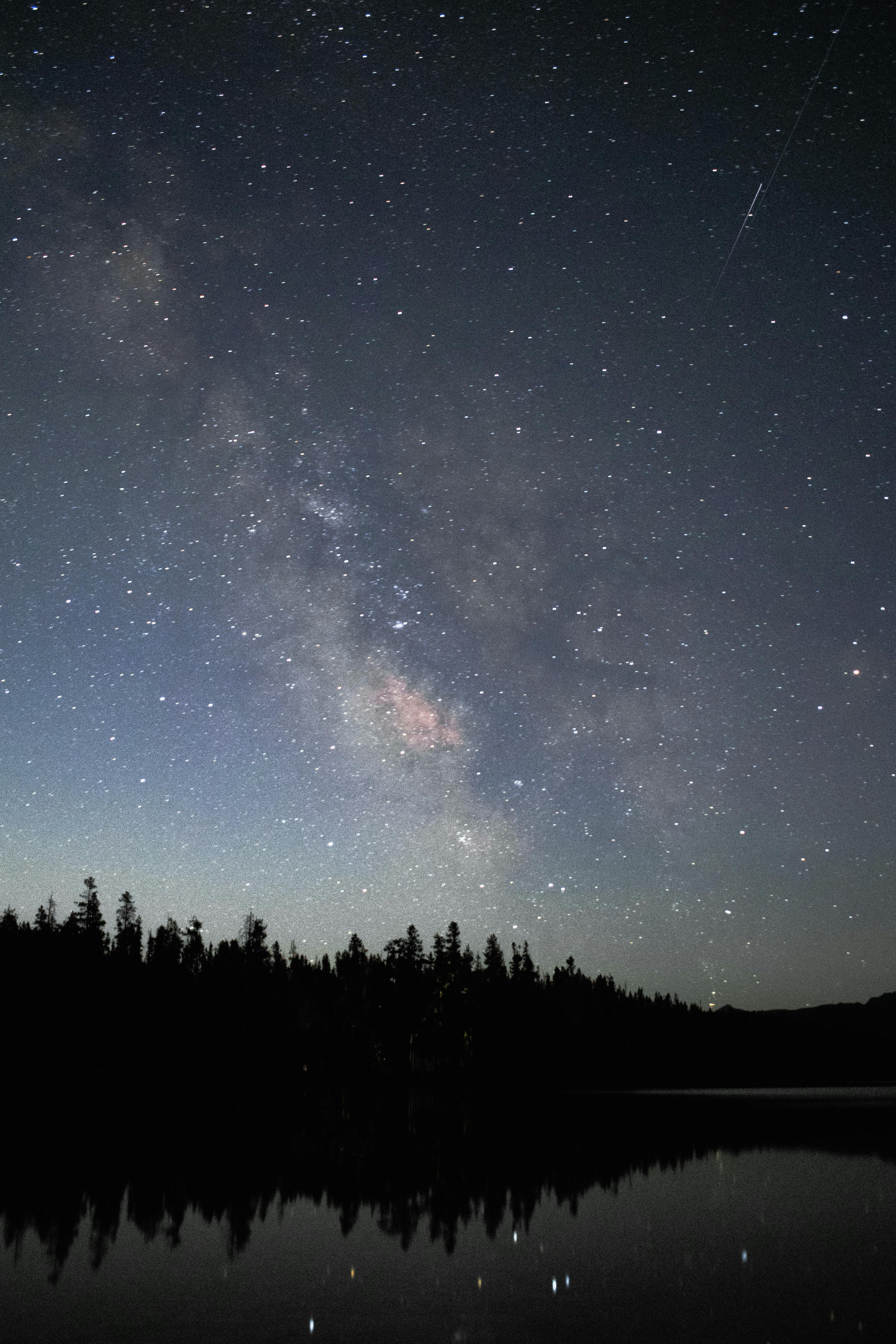
Different things, not worse things.
Andrea has lived here for decades and still gets slightly annoyed that the closest Target is 45 minutes away. Jenn sometimes looks wistfully at take out menus from Boston. But then Andrea walks out her door and puts her feet in the lake, and Jenn drives past woods that change color with the seasons, and the trade-off makes sense again.
You’re allowed to miss what you left behind. That’s normal and human. The trick is holding both truths at once: you can miss good Indian food AND love where you are now. One doesn’t cancel out the other.
What doesn’t work as well is constantly comparing. When you catch yourself starting a sentence with “Well, back in [wherever I’m from]...” just notice it. Are you sharing something helpful, or are you reminding everyone (including yourself) that you’re from somewhere else? Because everyone already knows. The question is: are you here now?
Learning the Roads (And the Unwritten Rules)
One of the first things you’ll notice: traffic is different up here. Most roads are a single lane, with the occasional opportunity to pass. If you’re cruising right at the speed limit, you’ll see a line of cars and trucks building up behind you—not because they’re aggressive, but because on our curving back roads, opportunities to pass are few and far between. If this makes you a little nervous, the considerate thing to do is pull over and let folks who want to move faster go on past.
Those same back roads are your secret weapon. The ones that cut between main routes. The ones that aren’t on Waze’s preferred route but that your neighbor mentions casually when you say you’re headed to Nashua. Start learning these. They’re beautiful drives, and they become essential knowledge in summer when main routes are backed up, or when there’s an accident, or when you just want to avoid the leaf peepers in fall.
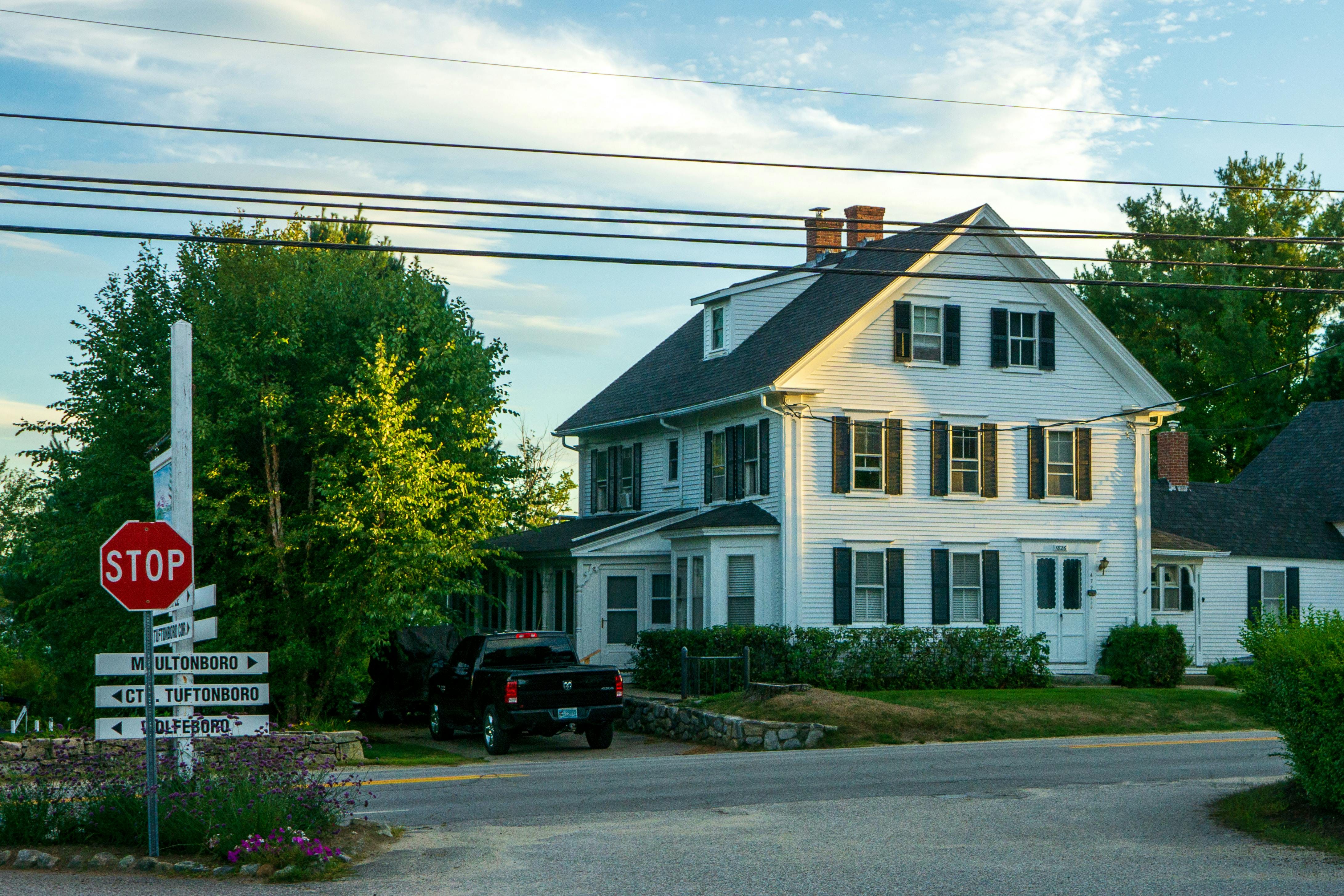
You will, at some point, find yourself behind a tractor or logging truck on a narrow road. No passing possible. Just... time to slow down. Jenn used to find this frustrating until she started thinking of it as accidental meditation time. (Andrea thinks mediation should be real and focused, but this works for Jenn.) Eventually you start to appreciate the forced slowness. It’s part of the rhythm here.
The wave is one of the best parts of living here. When someone lets you in, you wave. When you’re walking and a car stops for you, you do the little half-jog thing and wave thank you. When you pass someone on a back road, you acknowledge them—sometimes a full hand wave, sometimes just lifting a finger or two off the steering wheel.
Appreciating the People Who Keep Things Running (Even though they’re not perfect)
The plow drivers are local heroes, even though they’d never call themselves that. They’re out at 3 AM in weather you wouldn’t drive your car in, operating enormous equipment on roads barely wide enough for a sedan, trying to clear hundreds of miles before sunrise so you can get to work or school or wherever you need to go.
When they go by your house, wave. Even if—especially if—they just knocked over your mailbox again.
Andrea’s mailbox has been knocked down three times. She now has it on a flexible post and waves every single time the plow goes by. Because that’s the guy who’s going to clear her road at 4 AM in the next blizzard so she can get out to the hospital if she needs to, or to work, or just to the store for milk.
The mailbox thing is on you to solve, not them—flexible post, move it back a few inches, whatever works. They’re trying to keep the roads passable in impossible conditions. That wave is just saying: I see you, I appreciate what you’re doing, thank you for being out here when I’m still in bed.
It’s one of the small ways you become part of the community. Recognizing the people who make daily life here possible.
Building Relationships (One Purchase at a Time)
The local hardware store costs more than Lowe’s. The general store charges more than Walmart. The farmstand eggs are two dollars more than at Harvest Market. We buy them anyway, most of the time, because that’s where the relationships are.
When the power went out during that ice storm two winters ago, the guy who owns the hardware store knew which generator would work for Andrea’s setup and had one in stock. The farm that sells those expensive eggs? They host the community harvest dinner our clients’ kids still talk about.
These aren’t just transactions. They’re the beginning of knowing people and being known. The hardware store owner who remembers what kind of screws you needed last time. The woman at the farmstand who knows you like the sourdough and sets one aside. The guy at the general store who asks how your kid’s soccer game went.
This is what you moved here for, even if you didn’t know to name it that way. The texture of daily life in a place where commerce and community overlap.
Look, we’re not going to pretend we never shop at Walmart. Sometimes you need something at 9 PM and the general store closed at 6. Sometimes the price difference matters for your budget. But when you can choose local, try to. The extra few dollars buy you something money can’t usually buy: a place where people actually know you.
Becoming Neighbors (The Best Part)
Learn your neighbors’ names. We’re still working on this ourselves—there are people at the far end of our roads we should know better. But start with the ones on either side of you, across the street, at the end of your road. The seasonal people who are only here in summer. It matters more than you’d think.
When someone new moves in, bring something. Cookies, bread, a jar of maple syrup, information about when trash pickup happens and where the best pizza is. It’s a lovely way to say “we’re glad you’re here” without making it complicated.
One of the things you’ll notice: people help each other here. If someone’s car is stuck, people stop with shovels. If a tree comes down, neighbors show up with chainsaws. Nobody makes a big deal out of it afterward. That’s just what happens. And when you’re on the other side of it—when you’re the one who can help—you do. It feels good.
When longtime residents share stories about how things used to be, you get to learn the history of the place you’ve chosen. The old general store that’s now someone’s house. The mill that used to employ half the town. The family that owned your land before you. This isn’t boring small talk; it’s the context that helps you understand why things work the way they do.
Sometimes “that’s how we’ve always done it” is just resistance to change. But often it’s shorthand for “there’s a reason this works that we learned the hard way.” Learning the context first, then sharing your ideas, tends to work better than the other way around.
Watching Democracy Happen (It’s Actually Kind of Amazing)
Town meeting season (February through early March) is when you get to see direct democracy in action. People stand up and debate the school budget, whether to pave a dirt road, how much to pay the road agent. It’s local government without the layers you’re probably used to—just neighbors making decisions about their shared town.
It can be awkward. It can take hours. Sometimes the same person talks five times about the same article and everyone else is quietly willing them to sit down. (We’re all thinking it. Nobody says it. That’s also how this works.) But it’s also fascinating. Take some popcorn.
This is where you learn what matters to people. Where you see that the person you wave to on your morning run cares deeply about property taxes for reasons you hadn’t considered. Where you realize that decisions about snow removal budgets or library hours aren’t abstract—they affect actual people sitting in the room with you.
You don’t have to speak, and you probably shouldn’t early on. But watching teaches you so much. Who knows the history. What issues keep coming up. Why people feel strongly about things that might seem minor from the outside.
And then, when you do have something to contribute—maybe year two, maybe year three—people actually listen. Because you took the time to understand the context first.
What to Expect (The Real Stuff)
Your first winter will teach you things. The darkness comes early—pitch black by 4:30 in December. And dark is different when there’s no street lights. You adjust. And then you start to appreciate the cozy evenings, the stars you can actually see, the way snow makes everything quieter.
The power will go out at some point. This is just a fact of rural living with above-ground power lines and winter storms. Have a plan—generator, wood stove, propane heater, a neighbor you can stay with. And when it does go out, check on elderly neighbors.
You’ll notice that summer people and year-round people have different relationships with the lake and the town. Neither is better. The seasonal folks bring energy and stories from elsewhere. Year-rounders provide continuity and local knowledge. You’re shoveling in January when their house is dark, and they’re here in July when the lake is crowded. Both matter.
The oldest families in town—the ones who’ve been here for generations—have something to teach about long-term thinking and what it means to care for a place across decades. You don’t have to want that for yourself. But understanding that some people’s relationship to this place spans generations changes how you think about your own connection to it.
Your First 90 Days (Making Connections)
The first few months are when you start building the foundation of belonging. Not through grand gestures, but through small, consistent choices.
Join something that interests you. Town Facebook group, library as a member, volunteer fire department auxiliary, conservation commission, historical society, garden club, lake association. Pick the one that aligns with what you actually care about and show up. You’ll meet people who share that interest, which is a natural way to start conversations.
Shop somewhere local once a week. General store for milk and bread, farmer’s market for produce, local hardware store for that thing you need. Introduce yourself by name the first time. Be consistent. After a few weeks, they’ll remember you. After a few months, you’ll have your first “Hey, how are you?” relationship, which is the beginning of everything else.
Go to one community event. Old Home Day, pancake breakfast at the fire station, library used book sale, town cleanup day, someone selling maple syrup at the end of their driveway. It doesn’t matter what. Just show up to something where your neighbors are. You don’t have to talk to everyone or know anyone. Just being there starts to build familiarity.
Learn the names of things. Your road name (not just your mailing address). The mountain you can see from your window. The cove where people swim in summer. The place where the loon nest is. These names are how people talk about place here. Learning them helps you join conversations naturally.
Ask questions. Real, curious ones. “What should I know about living here?” “What do you love about this town?” “What’s the story behind that building?” People love sharing what they know. Asking gives them permission to teach you, and you learn the things you can’t Google.
What Belonging Feels Like
You’ll know it’s working when:
The person at the transfer station greets you by name before they tell you that you sorted the recyclables wrong.
Someone invites you to their annual bonfire or ice fishing derby—not because you asked, just because you’re part of the group now.
A neighbor shows up with their plow after a storm to clear your driveway. You didn’t ask. They just knew you’d need it.
You run into the same people at different places—the hardware store, the farmer’s market, the library—and it feels warm instead of claustrophobic.
You have opinions about town decisions that come from living through them, not just theoretical positions.
You can give directions using landmarks because you know the landmarks matter more than road numbers.
Integration takes time. More time than seems reasonable, honestly. But the weird thing is, you don’t really notice it happening. You just wake up one day and realize you’re not the new person anymore. You know the rhythms. You have your people. You can see the mountains in winter and already imagine what they’ll look like in fall.
Most people in small New Hampshire towns genuinely want newcomers to love it here. They remember what it was like to be new (even if they were born here—moving back as an adult counts). They’re rooting for you. They’re just waiting to see if you’re curious about this place, or if you’re trying to remake it into the place you left.
The people who end up loving it here are the ones who show up, stay curious, ask questions, and understand that community is something you practice every day. Not something you achieve and then stop working at.
It’s worth it. The friendships you’ll make. The way you’ll understand seasons differently. The particular quiet of your road in winter. The way the lake looks when the morning mist is still rising. The knowledge that if something goes wrong, neighbors will show up.
This is a good place to build a life, if you’re willing to learn how.
If you’re thinking about making this move, or you’re new and trying to figure out what your life here could look like, we’re always happy to talk. We’ve guided a lot of people through not just finding the right house, but understanding what it actually means to live in this place. Even if you’re years away from being ready, or just starting to imagine something different.
Here’s to coming home. 🏔️
Jenn & Andrea, Keys to the Lakes
